
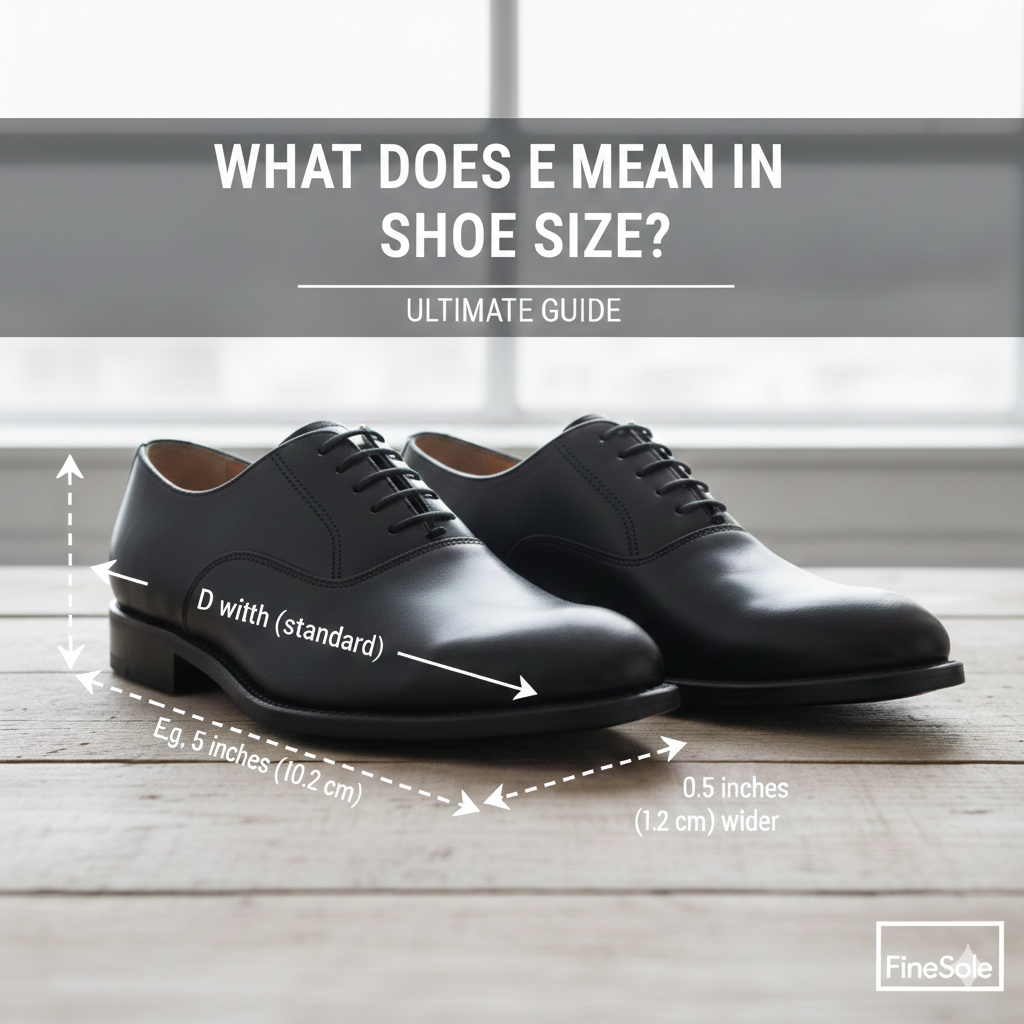
If you have ever slipped into a new pair of sneakers and felt that familiar pinch along the sides, you already understand why shoe width matters just as much as length. Most people obsess over the number on the box, size 9, size 10, size 11, yet ignore the letters that quietly determine whether a shoe feels supportive or unbearable after an hour. That single letter, especially the letter E, has caused more confusion than it should. What does E mean in shoe size, really, and why does it matter so much when you are shopping for something like sneakers 6E?
After years of fitting shoes, testing materials, and watching people choose style over comfort, I can tell you this. Width is not a luxury detail. It is a structural issue. A shoe that is too narrow will never break in the way people hope it will. It will fight your foot every step of the way. Understanding shoe width, particularly wide width categories like E, EE, and 6E, saves you money, time, and foot pain.
Read also: Best Shoes to Help with Back Pain — Practical Guide & Tips
This guide breaks it all down in plain language. No confusing charts without context. No generic sizing advice copied from a brand manual. Just real explanations, real scenarios, and the kind of details you only learn after years of dealing with footwear that either fits beautifully or fails completely.
Why Shoe Width Matters More Than Most People Realize
Length gets all the attention because it is easy to measure. Width is harder to explain, harder to label, and often ignored by shoppers and retailers alike. Yet width is the difference between a shoe that supports your foot and one that quietly damages it over time.
When a shoe is too narrow, pressure builds along the ball of the foot and the outer edges. Over time, this can affect posture, balance, and even the way you walk. I have seen people size up in length just to get more width, which creates a whole new set of problems. Extra length causes heel slip, poor alignment, and faster wear on the sole.
Wide width shoes exist for a reason. They are not a niche option. They are a necessary fit category for millions of people whose feet are naturally wider or have changed over time due to age, weight, or work demands.
What Does E Mean in Shoe Size?
Let’s answer the core question directly. The letter E in shoe size refers to the width of the shoe, not the length. It indicates a wider fit than the standard or regular width.
In most men’s shoes, a D width is considered standard. An E width is wider than D, providing extra room across the forefoot and toe area. As the letters increase, so does the width. That is how you get sizes like EE, EEE, and eventually sneakers 6E.
For women’s shoes, the standard width is typically B, so an E width is significantly wider than average. This is why understanding width labels is crucial before buying.
Understanding the Wide Width Scale From D to 6E
Shoe width is not universal across brands, but the general scale looks like this:
- D is standard width for men
- E is wide
- EE or 2E is extra wide
- EEE or 3E is very wide
- 4E to 6E is for extremely wide feet
Sneakers 6E sit at the far end of this scale. They are designed for people who consistently feel cramped even in extra-wide shoes. These are not rare feet. They are simply underserved by mainstream sizing.
Read Also: 10 Tips to Avoid Blisters on Your Feet from Heels
Who Actually Needs E or 6E Width Shoes?
People often assume wide shoes are only for people with “big feet.” That is not true. Width and length are separate measurements.
You may need E or 6E width shoes if:
- You feel pressure on the sides of your feet in most sneakers
- Your toes feel squashed even when length is correct
- You notice bulging along the sides of the sole
- Your shoes wear out faster along the edges
- You experience foot fatigue early in the day
If any of this sounds familiar, width is the issue, not quality or brand.
Sneakers 6E Explained in Plain Terms
Sneakers 6E are designed for feet that are significantly wider than average. These shoes provide extra space across the ball of the foot, the instep, and often the toe box.
What makes a true 6E sneaker different is not just extra material. The sole is usually shaped wider, the upper is structured differently, and pressure points are reduced. When done properly, a 6E shoe does not feel sloppy. It feels balanced.
People who finally try the correct width often describe it as a relief they did not know was possible.
Common Myths About Wide-Width Shoes
One of the biggest myths is that wide shoes look bulky. That may have been true years ago, but modern designs are far more refined. Another myth is that wide shoes stretch out and lose shape faster. In reality, shoes that fit properly last longer because the materials are not constantly under strain.
Another common belief is that wide shoes are only for medical issues. In truth, many people simply have wider feet by genetics or lifestyle.
How to Measure Your Foot Width Properly
Measuring width at home is simple if you take your time. Place your foot on a piece of paper, stand naturally, and trace around it. Measure the widest part of the forefoot. Compare that measurement to a width chart for the brand you are considering.
Always measure both feet. Most people have one foot slightly wider than the other. Fit the wider foot. The narrower one will adapt.
Buying Tips for E and 6E Width Shoes
When shopping for wide width shoes, especially sneakers 6E, look beyond the label.
Check the sole shape. A narrow sole with a wide upper is a bad sign. Look at customer reviews that mention width specifically. Pay attention to materials. Soft leather and engineered mesh adapt better than stiff synthetics.
Never assume a shoe will stretch enough to fix a width problem. That almost never works.
Breaking In Wide-Width Shoes the Right Way
Even wide shoes need a break in period, but it should be gentle. Wear them for short periods indoors. Let the materials adjust naturally. Avoid forcing the process with excessive bending or heat.
A proper wide shoe should feel comfortable out of the box, not painful.
Maintenance Tips for Wide Shoes
Wide shoes often experience more surface contact, so keeping them clean matters. Wipe soles regularly. Condition leather uppers to maintain flexibility. Store shoes with enough space so they do not compress back into a narrow shape.
Proper care extends the life of any shoe, but especially wide ones.
Read Also: How Much Wider Are Wide Shoes Than Regular?
Mistakes That Shorten the Life of Wide Shoes
Buying the wrong width and hoping it works is the biggest mistake. Another is storing wide shoes tightly packed with narrow shoes. This slowly reshapes them.
Ignoring early signs of wear along the edges is another issue. Address problems early before they affect the structure.
Style Compatibility With Wide Shoes
Wide shoes do not limit style as much as people think. Neutral colors, clean lines, and balanced proportions work across casual, athletic, and work settings.
The key is choosing shoes designed as wide from the ground up, not standard shoes stretched wider.
FAQ: What Does E Mean in Shoe Size?
What does E mean in shoe size exactly?
E refers to shoe width, indicating a wider fit than standard. It provides more room across the forefoot and is designed for people whose feet feel cramped in regular shoes.
Are E and EE the same
No. EE is wider than E. Each additional E represents more width. Sneakers 6E are much wider than standard E or EE shoes.
Can I wear 6E sneakers if I normally wear EE
It depends on your foot shape. Some people prefer the extra room, while others find it too loose. Trying both widths is the best approach.
Do wide shoes last longer
Yes, when they fit correctly. Shoes that match your foot width experience less stress and wear more evenly.
Are wide shoes only for men?
No. Wide-width shoes are available for all genders. The width labels differ, but the concept is the same.
Final Takeaway From Someone Who Has Seen This Go Wrong Too Many Times
Understanding what E means in shoe size is not about memorizing letters. It is about respecting how your feet are built and choosing shoes that work with them, not against them. When you finally wear the right width, especially something like sneakers 6E that actually fit, walking stops feeling like a compromise.
So here is the real question worth asking yourself before your next purchase. Are you choosing shoes because they look right, or because they finally feel right the moment you step into them?
