
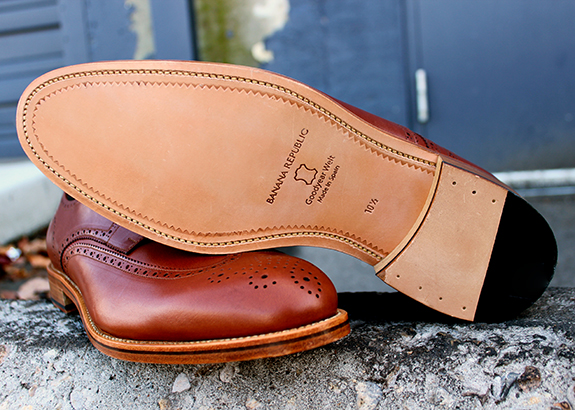
If you’ve been chasing good shoes for a while, you already know this truth: price tags can lie. I’ve seen expensive shoes fall apart after a few seasons because the makers cut corners where it mattered. I’ve also seen modestly priced pairs surprise me with their sturdiness and comfort. When you walk the path of welted shoes long enough, you stop being dazzled by fancy branding and start paying attention to the real heroes: construction, leather, fit, and long-term value.
I’ve worn welted shoes through scorching dry seasons, sudden city downpours, uneven farm paths, office floors, airport terminals, and more weddings than I expected to attend. And again and again, one lesson repeats itself. The best value welted shoes aren’t always the cheapest ones or even the most hyped. They’re the shoes that give you the longest lifespan per dollar without forcing you to baby them or treat them like collectibles. They are the shoes that reward you the longer you wear them.
Some people think “value” means something disposable that you don’t mind ruining. That’s not the kind of value we’re talking about here. I’m talking about shoes that offer real craftsmanship at prices that don’t feel like a punch in the stomach. Shoes that grow with your foot. Shoes that can be resoled. Shoes you can actually use, not just admire. Shoes built with the kinds of materials that age well instead of peeling, cracking, or collapsing at the sight of moisture.
So in this guide, I want to take you through what “value” really looks like in welted shoes. There are names worth knowing, key features to watch out for, common marketing traps, and even some underrated brands that deserve more attention. I’ll also share the things I look for every single time before I buy a pair, plus real world examples of shoes that lasted years longer than their price tag suggested.
Let’s dig in.
Understanding What Provides “Value” In Welted Shoes
You can’t talk about value without understanding where the value is created. When you pay for welted shoes, you’re paying for a construction method designed for longevity. That means:
Goodyear welting
A strip of material (the welt) is stitched to both the insole and the upper. The outsole is then attached to that welt. That creates a structure that holds up beautifully over time. It allows resoling. It resists rough use. And it doesn’t fall apart the way cemented soles do.
Hand welting
More labor intensive. More traditional. Often more flexible underfoot. When it’s done right, the result is a shoe with remarkable durability and a closer connection between the foot and the ground.
Storm welting
If you live in wet areas or walk through puddles often, storm welts add water resistance without turning your shoe into a rubber boot.
People sometimes look at welted construction as “high end” or niche, but really, it’s the old reliable method that survived because it works. And if you pick the right maker, you’re paying for durability and fixability, not for a fleeting trend.
Where Most Of The Price Actually Goes
When you hold a pair of welted shoes, you’re holding the result of several decisions that affect the final cost. Understanding these helps you spot true value.
1. Leather Quality
This is number one for a reason. Poor leather ruins great construction. Good leather elevates even a simple design.
Top value hides tend to be:
- Full grain calf
- Veg tan inner linings
- Oak bark tanned soles
- Suede from reputable tanneries
- Shell cordovan if your budget stretches far enough
A lot of cheap “welted” shoes use corrected grain leather. It looks shiny at first but ages badly. It cracks. It flakes. It never develops that rich patina people talk about.
2. Labor
Hand welting takes time. Even Goodyear welting requires skill. The more manual steps involved, the higher the cost. But higher labor cost also means greater longevity.
3. Country Of Origin
Some countries simply have higher labor costs. England, Germany, France, and the US tend to be on the expensive side. Spain, Portugal, Indonesia, Vietnam, and Mexico often give you better value because their labor markets support lower pricing without reducing craftsmanship.
4. Brand History
Sometimes you pay for the name. Sometimes the name is worth it. Knowing the difference saves you money.
Signs You’re Looking At A High Value Shoe
Over the years, I’ve learned to inspect welted shoes the same way you might inspect livestock or tools: check the things that matter.
- Leather should feel alive, not plasticky
- Soles should be cleanly trimmed and stitched, not glued
- Welt stitching should be consistent and tight
- The heel block should feel solid, not hollow
- The insole should be leather and thick enough to shape to your foot
- The shoe should feel balanced on a flat surface, not wobbly
You’d be surprised how many expensive shoes fail these tests.
10 Brands That Consistently Deliver Great Value
Now to the part most people come here for. These aren’t the “best” brands of all time. They’re the brands that consistently deliver craftsmanship far above their asking price. I’m listing them based on real wear, real experience, and countless conversations with fellow shoe addicts.
1. Meermin
If you want affordable Goodyear-welted shoes that don’t fall apart, Meermin is usually the first recommendation. They’re stiff out of the box. Brutally stiff sometimes. But the leather gets better with time and the construction is far better than the price suggests.
Great for: entry-level value, experimenting with styles, durable beaters that still look smart.
2. Bridlen
One of the quiet achievers. Hand-made shoes at a price where most brands barely offer Goodyear welting. Their quality control is strong, their designs are timeless, and they age beautifully.
Great for: people who care about traditional methods without paying luxury premiums.
3. Carlos Santos
The Portuguese powerhouse. Fantastic finishing. Solid leather. Great shaping. And the price is still reasonable considering the craftsmanship.
Great for: dress shoes with personality but not at luxury prices.
4. TLB Mallorca
If you want the best balance between aesthetics, shaping, materials, and construction without hitting Edward Green prices, TLB’s Artista line is the sweet spot.
Great for: people who want sleek profiles and refined craftsmanship.
5. Grant Stone
A workhorse brand with beautiful leathers and comfortable construction. Their boots are particularly good value.
Great for: rugged style lovers who still want Goodyear welting done right.
6. Allen Edmonds (On Sale)
Retail prices can be steep, but AE on sale? Incredible value. Easily resoleable. Time-tested patterns. Very comfortable after break-in.
Great for: classic American styles that last forever.
7. Yeossal
Beautiful finishing, great lasts, and remarkable attention to detail for the price. Their handwelted models punch well above their bracket.
Great for: people who want refined designs without paying luxury rates.
8. Crockett & Jones (Entry Line)
Not cheap. But when you look at how long they last and how well they age, the value becomes obvious.
Great for: people who want long-term reliability with tasteful design.
9. Septieme Largeur
Known for patinas but also strong construction. Good lasts. Good shapes. And they hold up well over years of use.
Great for: those who want something a little expressive but still well built.
10. Velasca (Certain Models)
Not all models are welted, so be careful. But the welted ones give great cost performance, especially in casual styles.
Great for: weekend wear, city walking, and travel.
How To Choose The Best Value For Your Budget
There’s a simple exercise I recommend whenever someone asks me which welted shoe to buy.
Step 1: Decide Your Use Case
Daily wear? Office? Weddings? Rough walking? Rainy areas? Light city strolls?
Step 2: Set A Budget Range You Can Actually Sustain
Not a fantasy budget. A real one.
Step 3: Study The Leather Before The Brand
Leather quality is the heart of value.
Step 4: Compare Construction Methods
Some brands offer hand-welting at prices others charge for Goodyear welting.
Step 5: Think About Aftercare
If you can’t resole locally or the brand uses complicated construction, long-term costs rise.
A Real Scenario: My Longest Lasting “Value” Pair
Let me share a quick example. About nine years ago, I bought a pair of dark brown cap-toe oxfords from a mid-tier Spanish brand. They weren’t flashy. The leather didn’t shine like glass. They weren’t hand-welted. I just needed something reliable for weekly office use.
That pair outlasted three other, more expensive shoes I owned at the time. It survived coffee spills, dusty roads, airport floors, tropical humidity, and a slightly embarrassing moment where a relative’s goat stepped on my foot during a farm visit.
Even today, they’re on their third sole and still look better than new after conditioning. What made them great value wasn’t the price. It was the choice of leather, the consistent stitching, and the balanced last. That pair taught me to stop looking for bargains or brands and start looking for build quality.
Mistakes People Make When Buying “Value” Welted Shoes
It’s easy to fall into traps. I’ve fallen into all of them at least once.
Mistake 1: Buying Based Only On Price
Cheap welted shoes can cost more in the long run.
Mistake 2: Ignoring Sizing And Last Shapes
A high-value shoe that doesn’t fit is not high value.
Mistake 3: Getting Distracted By Patina
Good finishing is nice, but it doesn’t replace good materials.
Mistake 4: Thinking A Fancy Brand Automatically Means Better
You’re paying for marketing sometimes.
Mistake 5: Not Breaking Them In Properly
Good shoes need time. Rushing them ruins both the shoe and your patience.
FAQs About Value Welted Shoes
Are Goodyear-welted shoes better than Blake-stitched shoes?
Not always. Blake shoes are lighter and more flexible. Goodyear-welted shoes are generally more durable and easier to resole. For value over time, Goodyear usually wins.
How long should welted shoes last?
If cared for well, years. Sometimes decades.
Do welted shoes always need shoe trees?
If you want maximum lifespan, yes. They preserve shape and prevent deep creasing.
Should I rotate my pairs?
Definitely. A day of rest lets the leather breathe and regain shape.
Do expensive welted shoes offer better value?
Sometimes. But many mid-tier brands beat luxury ones in the price-to-longevity ratio.
Final Thoughts From Someone Who’s Walked A Lot Of Miles In Good Shoes
Value in welted shoes isn’t a mystery. It’s a combination of good leather, honest construction, careful finishing, and a price that reflects skill rather than hype. When you choose well, you get a companion that will walk with you for years, reshape itself to your foot, and tell your stories long after cheaper shoes have given up.
If you take nothing else from this, take this: good shoes don’t just last longer, they make your days feel better. Every step feels more grounded. More deliberate. And in a world where things feel rushed and disposable, having something built to stay with you is a small but meaningful kind of comfort.
So tell me, which pair of welted shoes has given you the best value so far?
