
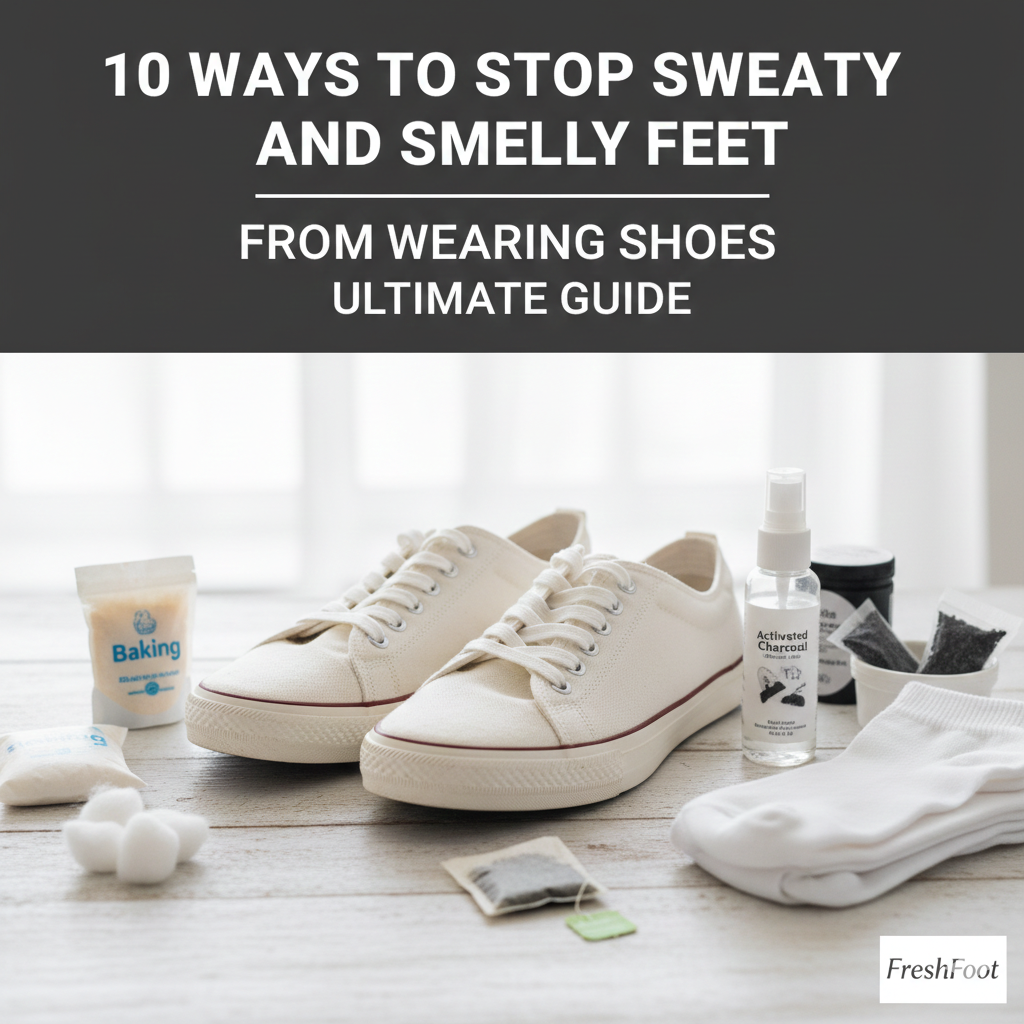
If you have ever slipped off your shoes at the end of a long day and instantly regretted it, you are not alone. Sweaty and smelly feet are one of those quiet problems people rarely talk about, yet almost everyone has battled at some point. I have seen it firsthand over the years while testing, repairing, and wearing different kinds of shoes in all sorts of conditions. From tight work shoes to casual daily pairs, foot odor has a way of sneaking up on you when comfort, fit, and daily habits are ignored.
Sweaty feet are not just about embarrassment. Excess moisture can shorten the life of your shoes, affect overall comfort, and even cause skin issues if left unchecked. Many people think the solution is simply buying new shoes or spraying a quick deodorizer, but that rarely fixes the root of the problem. The real solution comes from understanding why feet sweat in shoes and how small daily changes can make a huge difference.
This guide breaks things down in plain language. No medical jargon. No complicated routines. Just practical advice built on real experience. If you are tired of foot odor, damp socks, and shoes that never seem to smell fresh no matter what you do, these ten methods will help you take control and finally enjoy wearing shoes again.
Read Also; Guide to Leather Boots Repair and Care with Household Items
Why Feet Sweat and Smell Inside Shoes
Feet naturally sweat more than most parts of the body. They contain thousands of sweat glands, and once they are trapped inside shoes, moisture has nowhere to go. Heat builds up, bacteria thrive, and odor follows. Poor airflow, synthetic materials, tight fit, and long wear hours all make things worse.
Smell is not caused by sweat alone. It comes from bacteria feeding on moisture and dead skin. The longer your feet stay damp inside shoes, the stronger the odor becomes. Understanding this makes it easier to fix the issue rather than masking it.
10 Sure-Fire Ways to Prevent and Treat Your Smelly Feet
Here are some of the ways you can stop your feet from smelling;
1. Choose Shoes That Allow Proper Airflow
One of the biggest mistakes people make is wearing shoes that trap heat. Shoes with poor ventilation turn into a warm, damp environment within hours. Over time, this leads to constant sweating and stubborn smells that never fully go away.
Look for shoes made with breathable materials. Natural leather, mesh panels, and fabric linings allow air to circulate better than fully synthetic designs. Shoes that feel slightly cooler when you put them on usually perform better throughout the day.
A proper fit also matters. Shoes that are too tight increase friction and heat, which triggers more sweating. If your toes feel cramped or the sides squeeze your feet, sweating is almost guaranteed.
2. Rotate Your Shoes Instead of Wearing the Same Pair Daily
Wearing the same shoes every day is a fast track to foot odor. Shoes need time to dry out completely after use. When they stay damp overnight, bacteria continue to grow.
Rotating between two or three pairs gives each one at least twenty four hours to air out. This simple habit dramatically reduces moisture buildup and smell. It also extends the lifespan of your shoes since materials recover better when given time to rest.
If possible, leave shoes in an open, well ventilated area rather than stuffing them into a closet immediately after use.
3. Wear the Right Socks for Moisture Control
Socks play a bigger role than most people realize. Thick cotton socks absorb sweat but tend to stay damp, which makes odor worse. Synthetic athletic socks designed for moisture control often perform better because they pull sweat away from the skin.
Wool blends are another excellent option. They regulate temperature, dry quickly, and resist odor naturally. Even in warm weather, lightweight wool socks can keep feet drier than cotton.
Change socks during the day if your feet sweat heavily. A fresh pair halfway through the day can make a noticeable difference.
4. Wash and Dry Your Feet Properly Every Day
This sounds obvious, yet many people rush through foot washing. Simply letting soap run over your feet is not enough. Bacteria hide between toes and under nails where moisture lingers.
Wash your feet thoroughly with warm water and soap, paying attention to the spaces between toes. After washing, dry your feet completely before putting on socks or shoes. Damp skin encourages sweating the moment shoes go on.
At night, letting your feet breathe for a while before bed helps reduce lingering moisture from the day.
5. Use Foot Powders or Antiperspirants Wisely
Foot powders can help absorb moisture, but they work best when applied to clean, dry feet. A light layer before putting on socks reduces sweat buildup during the day.
Antiperspirant sprays or roll ons designed for feet can also help. These reduce sweating rather than just masking odor. Apply them at night to allow the product to work while sweat glands are less active.
Avoid overusing strong sprays inside shoes. Too much product buildup can damage linings and create a sticky residue.
6. Keep the Inside of Your Shoes Clean
Even clean feet will smell bad if the inside of the shoes is already contaminated. Over time, sweat soaks into insoles and linings, creating a persistent odor source.
Remove insoles regularly if possible and let them air out. Washable insoles should be cleaned gently and dried completely. For non removable insoles, sprinkle a small amount of baking soda inside overnight and shake it out in the morning.
Allow shoes to dry naturally. Avoid placing them near direct heat, which can damage materials and lock in odors.
7. Avoid Wearing Shoes for Too Long Without Breaks
Long hours in shoes increase heat and moisture buildup. If your day allows it, take short breaks to remove your shoes and let your feet breathe.
At home or in relaxed environments, switching to open footwear helps reset moisture levels. Even a few minutes of airflow can reduce sweating for the rest of the day.
This habit is especially useful during hot seasons or long workdays.
8. Trim Toenails and Remove Dead Skin
Dead skin feeds odor causing bacteria. Thick calluses and untrimmed nails trap moisture and sweat, making smell harder to control.
Trim nails regularly and gently exfoliate feet once or twice a week. A simple foot scrub or pumice stone helps remove buildup without irritation.
Smoother skin dries faster and stays cleaner, which directly reduces odor over time.
9. Store Shoes the Right Way
How you store shoes matters more than people think. Leaving them in dark, closed spaces traps moisture and encourages bacteria growth.
Store shoes in open shelves or breathable shoe racks when possible. Using shoe trees made from wood can help absorb moisture and maintain shape.
Avoid plastic bags or sealed containers unless shoes are completely dry.
10. Know When It Is Time to Replace Old Shoes
Sometimes the problem is not your feet at all. Old shoes that have absorbed years of sweat may never fully recover, no matter how well you clean them.
If odor returns quickly after cleaning and airing, it may be time to replace the pair. Starting fresh with better habits often solves the issue permanently.
Pay attention to how shoes smell when they are completely dry. Persistent odor is a sign that bacteria have settled deep into the materials.
Read Also: How Much Wider Are Wide Shoes Than Regular?
Common Mistakes That Make Foot Odor Worse
Many people unknowingly worsen the problem by spraying heavy fragrances, skipping socks, or wearing shoes without proper drying time. Skipping foot hygiene routines or assuming odor is unavoidable only allows the issue to grow.
Consistency matters more than quick fixes. Small daily habits always outperform occasional deep cleaning.
FAQ About Sweaty and Smelly Feet From Wearing Shoes
Why do my feet smell even after washing?
Odor often comes from bacteria inside the shoes rather than the feet themselves. If shoes stay damp or are not cleaned regularly, smell returns quickly even after washing your feet.
Can sweaty feet damage shoes?
Yes. Excess moisture breaks down linings, weakens adhesives, and shortens overall durability. Controlling sweat helps shoes last longer.
Are foot sprays better than powders?
Both work, but they serve different purposes. Powders absorb moisture, while antiperspirants reduce sweating. Many people benefit from using both in moderation.
How often should I change socks?
If your feet sweat heavily, changing socks once during the day helps reduce moisture and odor buildup significantly.
Is foot odor a sign of poor hygiene?
Not always. Some people naturally sweat more. The key is managing moisture and shoe care rather than blaming hygiene alone.
Final Thoughts From Experience
Sweaty and smelly feet are not something you have to live with. Over the years, I have learned that the real solution is not one miracle product but a combination of smart shoe choices, proper foot care, and simple daily habits. When feet stay dry, shoes last longer, comfort improves, and confidence returns.
Once you start paying attention to airflow, fit, cleanliness, and rotation, foot odor slowly fades into the background where it belongs. Which of these habits do you think will make the biggest difference for you starting today?
