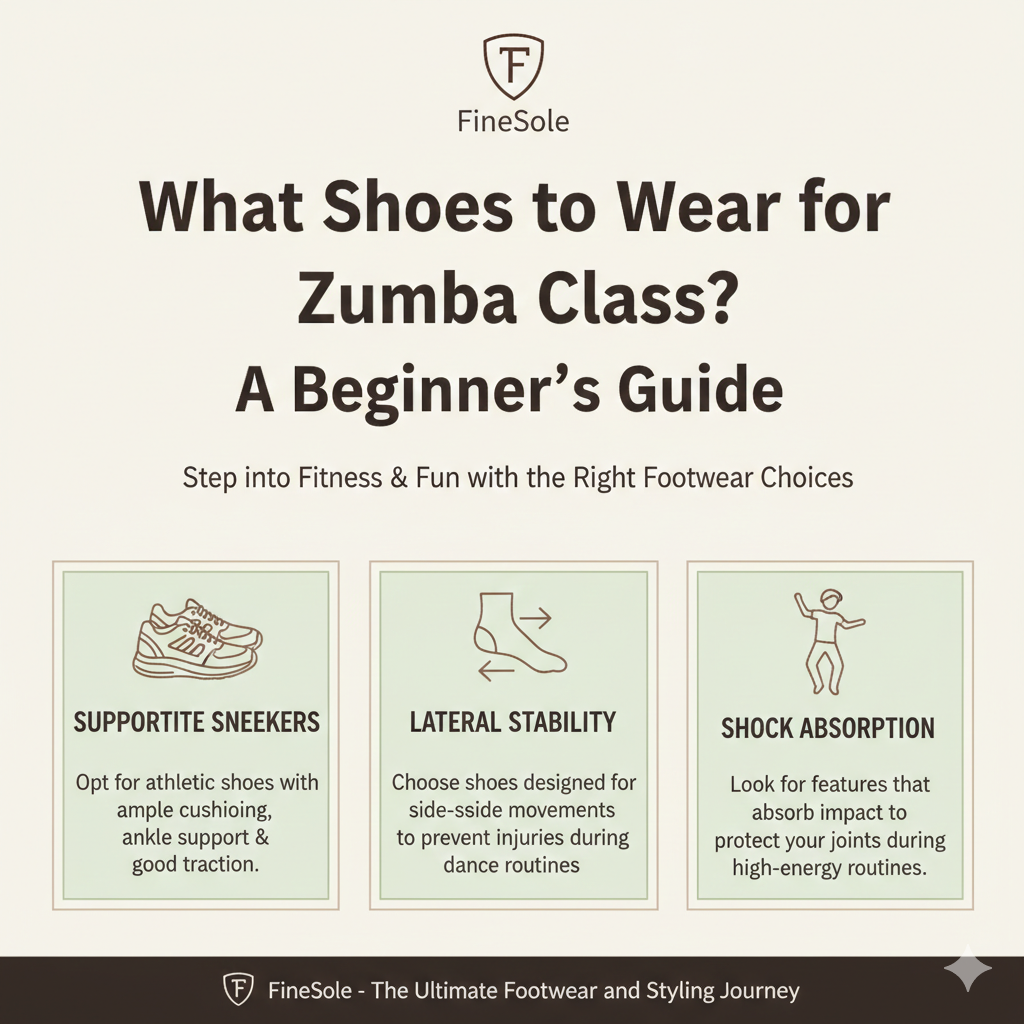
If you have ever stepped into a Zumba class wearing the wrong shoes, you already know how quickly things can go sideways. One minute you are feeling the rhythm, the next your feet are sliding, your arches are aching, and your knees are quietly filing complaints. Choosing the best shoes to wear for Zumba class is not just about style. It is about protecting your joints, improving your movement, and actually enjoying the workout.
I have tested dozens of training shoes over the years, both on the dance floor and in the repair shop. Zumba is a different beast compared to regular gym workouts. It involves quick pivots, side-to-side shuffles, spins, and sudden direction changes. Regular running shoes often grip too much, while flat sneakers may not provide enough cushioning. So what should you really be wearing?
In this guide, I will walk you through the 5 best shoes to wear for Zumba class, what makes them work, and how to pick the right pair for your feet. Whether you are a beginner trying your first class or a regular who wants better comfort and durability, this breakdown will help you make a smarter choice.
Quick Answer: Best Shoes for Zumba Class
The best shoes for Zumba should have:
- Lightweight construction
- Smooth pivot-friendly sole
- Good arch support
- Responsive cushioning
- Snug but flexible fit
- Breathable upper
Top picks at a glance:
- Ryka Influence Training Shoe
- Nike Air Zoom SuperRep
- ASICS Gel Fit Sana
- Adidas CrazyTrain Elite
- Reebok Nano Training Shoe
If your current shoes feel sticky on turns or leave your feet sore after class, it may be time for an upgrade.
What Makes a Shoe Good for Zumba?
Before we jump into the picks, let me share what I always check when evaluating shoes for dance fitness. These small details make a big difference once the music starts.
1. Sole That Allows Smooth Pivoting
Zumba involves lots of rotational movement. Shoes with overly grippy rubber soles can actually strain your knees because your foot gets stuck during turns. Look for:
- Pivot points on the outsole
- Non-sticky rubber
- Slightly rounded forefoot
This is one of the most overlooked factors I see in the workshop.
2. Cushioning That Absorbs Impact
Even though Zumba feels like dancing, it is still a high-impact workout. Good cushioning protects your heels and forefoot during jumps and fast footwork.
You want cushioning that feels:
- Responsive, not mushy
- Even from heel to toe
- Supportive during lateral moves
3. Secure But Flexible Fit
Too tight and your toes go numb. Too loose and your foot slides inside the shoe. The sweet spot is a secure midfoot with a flexible forefoot.
5 Best Shoes to Wear for Zumba Class
Below are my top tested picks based on comfort, durability, sole design, and real world performance.
1. Ryka Influence Training Shoe
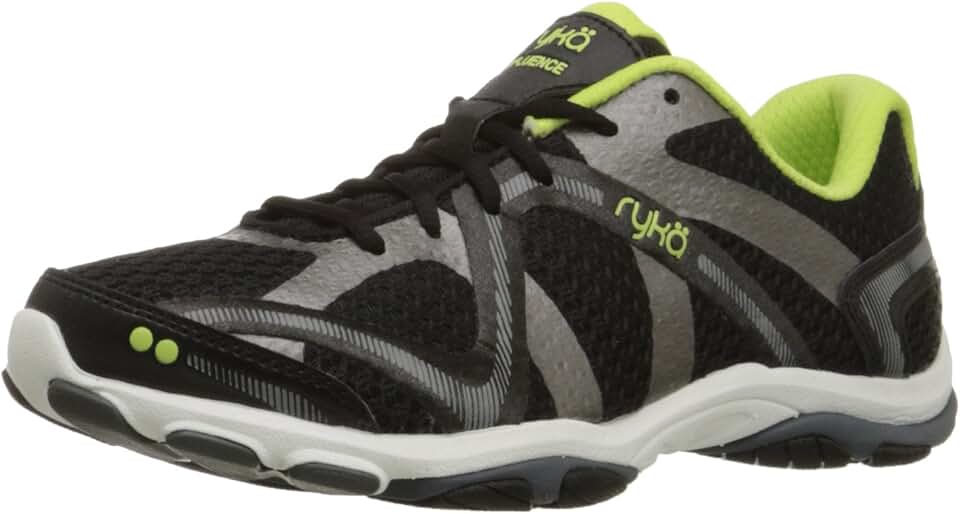
If you ask many Zumba instructors what they wear, the Ryka Influence often comes up. And honestly, after testing it myself, I understand why.
What stands out
- Built specifically for dance fitness
- Excellent pivot point under the forefoot
- Lightweight mesh upper
- Solid arch support
The first thing I noticed was how natural turns felt. No knee strain, no sticking to the floor. The cushioning is moderate, which works well for fast routines.
Best for: Regular Zumba attendees and beginners who want reliability.
Watch out for: Runs slightly narrow for wide feet.
2. Nike Air Zoom SuperRep
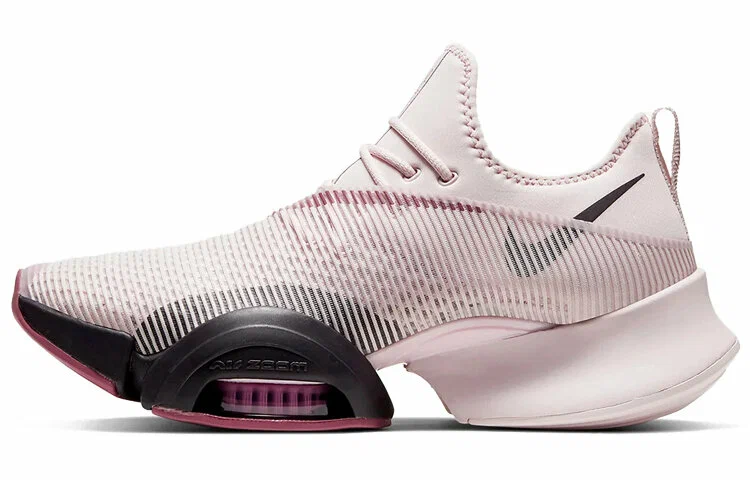
This shoe was originally designed for high-intensity interval training, but it performs surprisingly well in Zumba classes.
Why it works
- Responsive Zoom Air cushioning
- Breathable upper
- Good lateral stability
- Durable outsole
When I wore these during a fast-paced session, the bounce was noticeable. If you like a bit of energy return underfoot, this pair delivers.
Best for: High-energy dancers and HIIT-style Zumba classes.
Break-in period: Very short. Comfortable, almost out of the box.
3. ASICS Gel Fit Sana
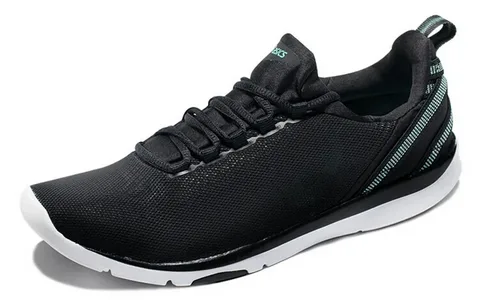
This is one of those underrated shoes that quietly performs well.
Key strengths
- Soft GEL cushioning
- Flexible sole
- Lightweight feel
- Comfortable interior lining
If you have sensitive feet or often deal with foot fatigue, the Gel Fit Sana provides a gentle ride. It feels more forgiving than some firmer training shoes.
Best for: Beginners and anyone prioritizing comfort.
Maintenance tip: Air dry after sweaty classes to preserve the interior.
4. Adidas CrazyTrain Elite
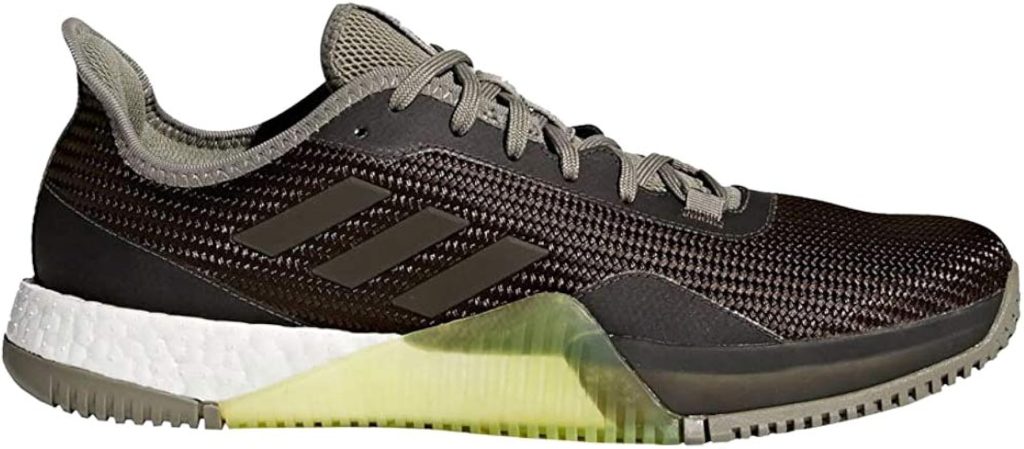
For those who like a more athletic, locked in feel, this model is worth a look.
Performance highlights
- Strong midfoot support
- Durable outsole
- Stable base for lateral moves
- Breathable knit upper
During testing, this shoe felt very secure during side shuffles and quick stops. If your workouts are intense and sweat heavy, the ventilation also helps.
Best for: Intermediate to advanced Zumba participants.
Fit note: True to size for most people.
5. Reebok Nano Training Shoe
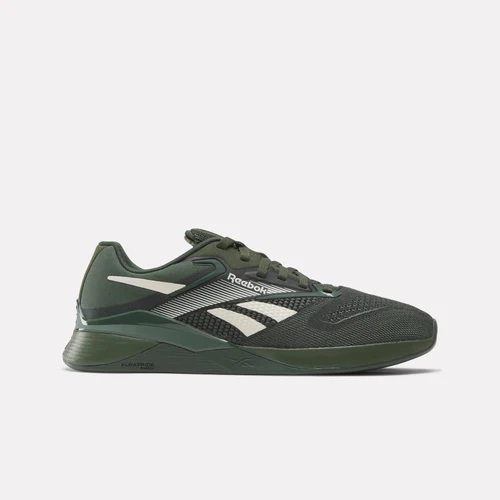
The Nano series has built a strong reputation in functional fitness, and certain versions work well for dance workouts too.
Why I recommend it
- Durable construction
- Balanced cushioning
- Stable heel
- Good overall comfort
While not purely a dance shoe, it holds up well in mixed routines. If you also lift weights or do cross training, this can be a versatile pick.
Best for: People who mix Zumba with gym workouts.
How to Choose the Right Zumba Shoes for Your Feet
Picking from the list is good. Picking the right one for your foot type is better. Here is how I usually guide readers and customers.
Check Your Foot Shape
If you have wide feet, avoid narrow models like some Ryka versions. If your arches collapse inward, look for stronger midfoot support.
Consider Your Class Intensity
- Casual classes: lightweight and flexible shoes work fine
- High energy sessions: choose more cushioning and stability
- Mixed gym use: pick a versatile training shoe
Try the Twist Test
Before buying, gently twist the shoe.
- Slight flexibility is good
- Too stiff feels clunky
- Too soft lacks support
Common Mistakes That Ruin Zumba Comfort
Over the years, I have seen the same problems again and again.
Wearing running shoes
Running shoes are designed for forward motion, not lateral dance moves. They often grip too much during pivots.
Choosing style over function
Bright colors are fun, but sole design matters more.
Ignoring fit and sizing
Your toes should have room to move, but your heel should stay locked.
Care and Maintenance Tips for Zumba Shoes
If you want your shoes to last through many sweaty sessions, treat them right.
After each class
- Remove insoles to air out
- Let shoes dry naturally
- Avoid direct heat
Weekly care
- Wipe outsole to maintain grip balance
- Check for sole wear
- Rotate between two pairs if possible
Proper maintenance can easily extend the life of your shoes by months.
FAQs About the Best Shoes to Wear for Zumba Class
What type of shoes are best for Zumba?
The best shoes for Zumba are lightweight cross-training or dance fitness shoes with pivot friendly soles, moderate cushioning, and strong lateral support. Running shoes are usually not ideal because they grip too much during turns.
Can I wear running shoes for Zumba?
You can, but it is not recommended. Running shoes are built for forward motion and often create too much friction during pivots, which can strain your knees and ankles over time.
How tight should Zumba shoes fit?
Zumba shoes should feel snug in the midfoot and heel while leaving a thumb width of space in the toe box. Your foot should not slide inside the shoe during side movements or quick turns.
How long do Zumba shoes last?
For regular participants attending classes three to four times weekly, most quality Zumba shoes last about six to nine months before cushioning and outsole performance begin to decline.
Do Zumba shoes need arch support?
Yes, especially if you have flat feet or high arches. Proper arch support helps maintain comfort, improves stability during lateral moves, and reduces foot fatigue after long sessions.
Final Thoughts
Finding the best shoes to wear for Zumba class can completely change how your workouts feel. The right pair supports your feet, protects your joints, and lets you move freely without thinking about discomfort. After years of testing, repairing, and wearing training shoes, I can tell you this one upgrade often makes more difference than people expect.
If your current pair leaves your feet sore or your turns feel sticky, it might be time to switch things up. Your knees and arches will thank you later. So the real question is this: are your current shoes helping your rhythm or quietly working against you?