
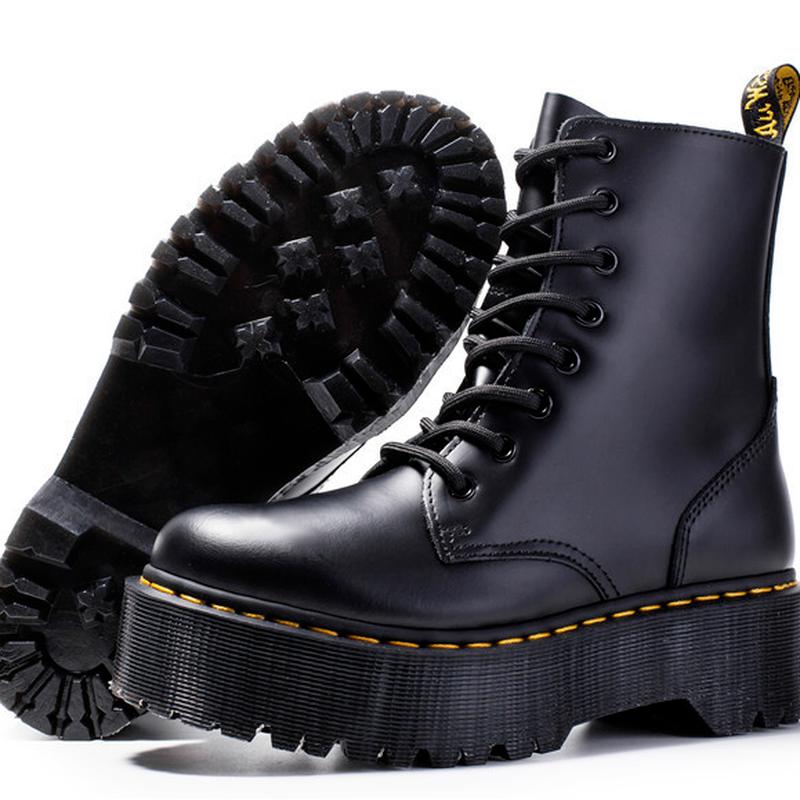
There’s something quietly frustrating about boots that don’t feel right. You can spend good money on a solid pair — leather work boots, hiking boots, or sleek everyday lace-ups — and still end up with heel slip, pressure points, or that annoying “loose but tight at the same time” feeling. Sound familiar?
After years of wearing, repairing, and breaking in boots of every kind, I can tell you this: most fit problems aren’t the boot’s fault — they’re lacing problems. Proper lacing can transform a stiff, awkward pair into something that feels secure, supportive, and surprisingly comfortable.
If you’ve ever wondered how to properly lace boots so they actually support your foot, prevent blisters, and stay tied all day, this step-by-step guide will walk you through it like a cobbler standing beside you.
Quick Answer: How to Properly Lace Boots
To properly lace boots:
- Start with even lace lengths on both sides
- Lace from bottom eyelets upward
- Keep tension snug but not tight
- Lock the ankle using top hooks or eyelets
- Finish with a secure knot (double knot if needed)
Proper lacing improves fit, stability, and comfort — especially for work or long walks.
Why Proper Boot Lacing Matters More Than You Think
Boots are designed for support. But if the lacing is off, that support disappears.
Poor lacing can cause:
- Heel slippage and blisters
- Toe pressure or numbness
- Foot fatigue
- Reduced ankle stability
- Faster wear on the boot itself
I’ve seen people blame a “bad pair of boots” when all they needed was a smarter lacing method.
Step-by-Step Guide: How to Properly Lace Boots
Let’s do this the way professionals recommend.
Step 1: Start With the Right Lace Length
Before anything else, check your laces.
They should be:
- Long enough to reach the top comfortably
- Not so long that excess dangles everywhere
- In good condition (frayed laces slip and loosen)
Flat laces hold tension better for casual boots, while round laces are common for work and hiking boots.
Step 2: Even Out the Lace Length
Pull both ends until they’re equal.
Uneven laces cause:
- Uneven pressure on your foot
- Crooked knot placement
- One side loosening faster
It seems minor, but this step makes everything else work correctly.
Step 3: Lace From Bottom to Top
If your boots aren’t already laced:
- Thread the lace straight across the bottom eyelets
- Pull snug — not tight
- Continue upward in a crisscross pattern
Keep tension consistent. Too loose at the bottom and your foot will slide forward. Too tight and your toes will protest quickly.
Step 4: Adjust Tension Through the Midfoot
This is where comfort lives.
Pull each cross-section just enough to feel secure. If you feel pressure on the top of your foot, ease off slightly.
Boots should feel:
- Secure
- Stable
- Flexible when walking
Not stiff like a cast.
Step 5: Lock the Heel at the Ankle
Most boots have top hooks or extra eyelets for a reason.
Wrap the laces firmly around these to create an ankle lock.
This prevents:
- Heel lift
- Forward foot slide
- Blisters at the back of the heel
For hiking or work boots, this step makes a huge difference on slopes or uneven ground.
Step 6: Tie a Secure Knot
Finish with a standard bow, then double knot if needed.
If your laces constantly loosen, consider:
- A surgeon’s knot for extra hold
- Tucking loops inside the boot
- Using lace locks for heavy activity
A properly tied knot should last hours without adjustment.
Expert Lacing Techniques for Specific Problems
After years around boots, these tricks come up again and again.
For Heel Slippage
Use a “heel lock” at the top:
- Create a loop with each lace
- Cross the ends through the loops
- Pull tight before tying
This pulls your heel firmly into the back of the boot.
For High Instep Pressure
Skip one set of eyelets across the painful area.
This creates space without loosening the entire boot.
For Wide Forefoot Comfort
Loosen the lower eyelets slightly while keeping the ankle snug.
This allows toe splay while maintaining stability.
For Narrow Feet
Pull lower sections tighter and consider thicker socks to fill volume.
Common Boot Lacing Mistakes
Even experienced boot wearers make these.
- Overtightening the entire boot
- Leaving the bottom too loose
- Ignoring ankle hooks
- Using worn-out laces
- Tying knots that slip easily
The goal isn’t tightness — it’s balanced support.
When Lacing Isn’t Enough
Sometimes the issue isn’t technique.
Consider replacement or adjustment if:
- Boots are clearly the wrong size
- Interior padding has collapsed
- Insoles are worn flat
- Eyelets or hooks are damaged
No lacing method can fix structural problems.
FAQs
How tight should boot laces be?
Snug enough to hold your foot securely, but not so tight that circulation is restricted or pressure points develop.
Should boots be tighter at the ankle or foot?
Generally snug at both, but slightly firmer at the ankle to prevent heel movement.
Why do my boots loosen while walking?
Likely causes include slippery laces, improper knotting, or uneven tension while lacing.
Is it okay to leave top hooks unlaced?
For casual wear, yes. For hiking or work, lacing them improves stability and safety.
Can lacing affect boot durability?
Yes. Uneven pressure can strain eyelets, leather, and stitching over time.
Final Thoughts
Learning how to properly lace boots is one of those small skills that pays off every single day. When done right, your boots feel like an extension of your foot — stable, comfortable, and reliable whether you’re walking city streets or rough trails.
If your boots have never felt quite right, don’t rush to replace them yet. Try adjusting your lacing first. You might be surprised how much difference a few careful pulls and loops can make.
