
If you’ve ever finished a long shift, peeled off your boots, and felt like your feet had been in a fight they didn’t sign up for, you already know this truth: not all work boots are created equal.
I’ve spent years wearing work boots in real conditions. Concrete floors. Wet job sites. Long warehouse shifts. Early mornings and late evenings. I’ve broken in boots the hard way, fixed worn soles, replaced insoles, and learned the painful difference between a boot that looks tough and one that’s actually comfortable after ten hours on your feet.
This guide isn’t about hype. It’s about the most comfortable work boots that men can actually rely on, day after day, without foot pain sneaking up on you halfway through the week.
If you’re on your feet for work, comfort isn’t a luxury. It’s survival.
Why Comfortable Work Boots Matter More Than You Think
The wrong boots don’t just hurt your feet. They mess with your knees, your back, and your energy. I’ve seen guys blame age or long hours when the real problem was a boot with a stiff sole, poor fit, or cheap cushioning that collapsed after a few weeks.
The most comfortable work boots do three things well:
- They support your foot shape properly
- They absorb shock from hard surfaces
- They don’t fight your feet during the break-in period
Comfort is not about softness alone. It’s about the balance between durability, fit, sole type, and leather quality. Miss one of those, and even an expensive boot can feel like a mistake.
Read Also: 10 Ways to Stop Sweaty and Smelly Feet From Wearing Shoes
What Makes a Work Boot Truly Comfortable?
Before jumping into the list, here’s what I look for every single time.
Key comfort features to pay attention to
- Proper arch support for long-standing hours
- A sole that cushions without feeling spongy
- Quality leather that softens instead of cracking
- Enough room in the toe box for natural movement
- A manageable break-in period
If a boot feels painfully stiff on day one, it rarely becomes magical later.
15 Good Comfortable Work Boots for Men
These picks focus on real-world comfort, not just marketing claims.
1. Timberland PRO Boondock
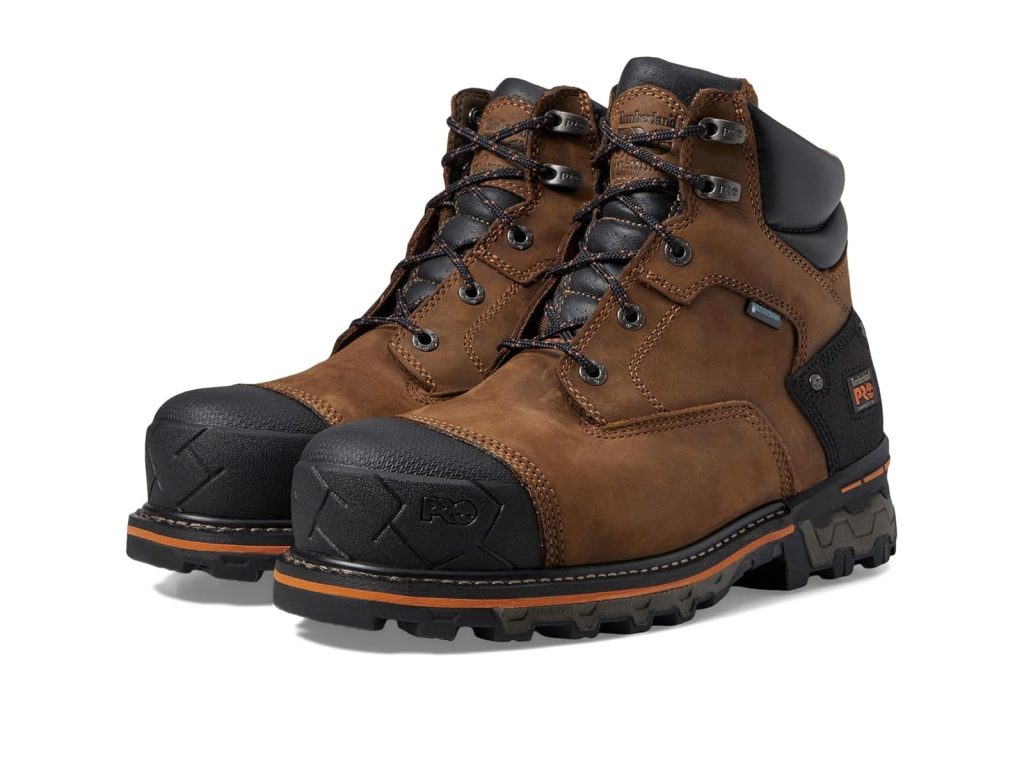
This boot is built like a tank but feels surprisingly forgiving underfoot.
The cushioning system does a solid job of absorbing shock on concrete floors. The leather quality holds up well, and the fit feels supportive without squeezing your toes. The break-in period exists, but it’s reasonable if you wear thick socks at first.
Best for: Construction, warehouses, cold environments
2. Red Wing Iron Ranger
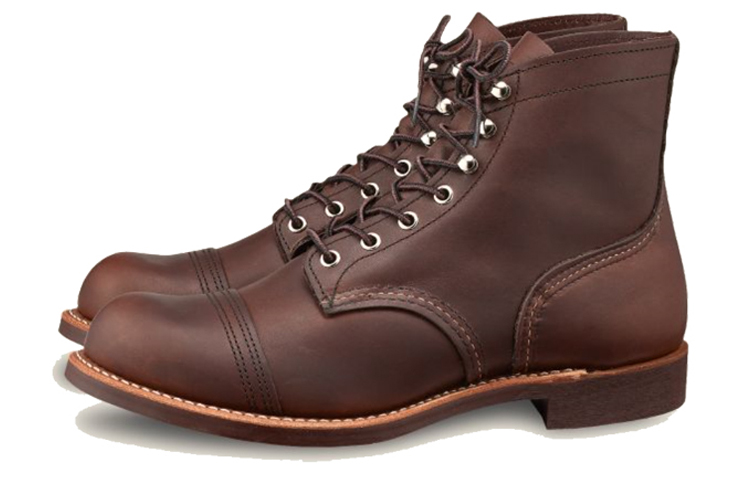
This one takes patience, but it pays off.
The leather starts stiff, no sugarcoating that. But once broken in properly, it molds to your foot like a custom fit. The durability is excellent, and the sole provides steady support for long days.
Tip: Condition the leather early to speed up the break in process.
3. Thorogood American Heritage Moc Toe
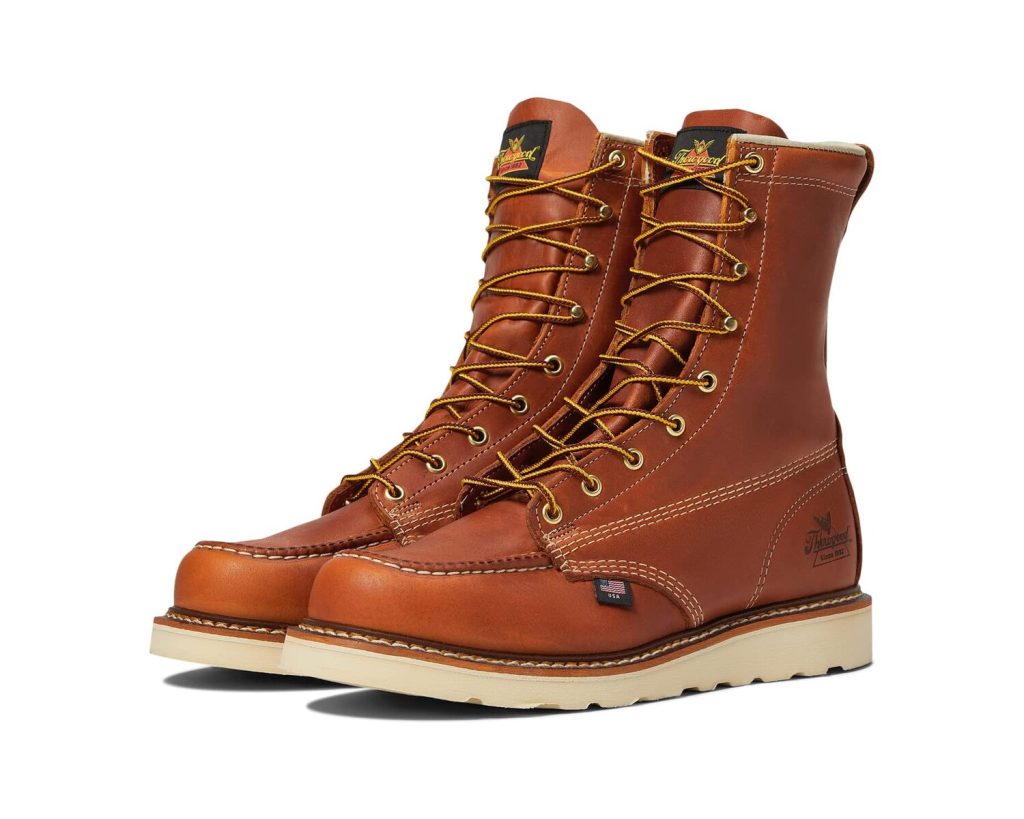
This boot gets recommended a lot for a reason.
The wedge sole is comfortable on hard surfaces, and the leather softens quickly. Out of the box comfort is better than most traditional work boots, especially if you stand all day.
Best for: Factory floors, warehouses, light construction
4. Keen Utility Pittsburgh
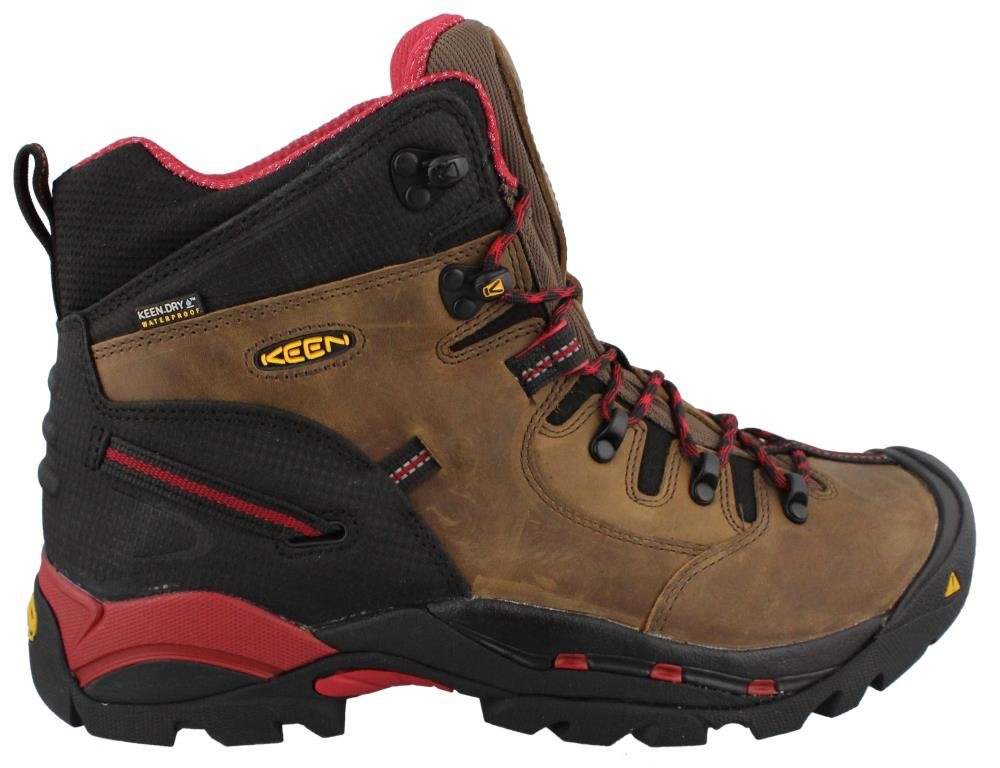
Keen understands foot shape.
The toe box is generous, which helps prevent foot fatigue. The sole offers good cushioning without sacrificing stability, and the overall fit works well for wider feet.
Best for: Long shifts, wider feet, mixed terrain
5. Wolverine Raider Durashocks
Durashocks aren’t a gimmick.
The shock absorption actually makes a difference when you’re walking on concrete all day. These boots feel lighter than they look and require minimal break-in.
Best for: Warehouse work, logistics, light industrial jobs
6. Caterpillar Second Shift
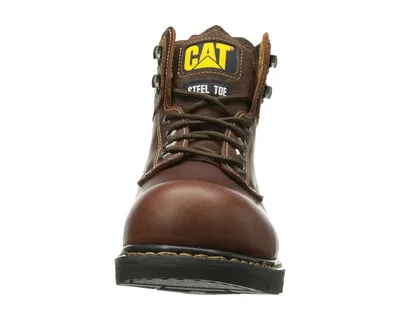
This is a budget-friendly option that doesn’t feel cheap.
The padding around the collar adds comfort, and the leather holds up well with basic maintenance. The sole isn’t overly soft, but it stays supportive throughout the day.
Best for: Entry level work boots, general labor
7. Ariat Workhog
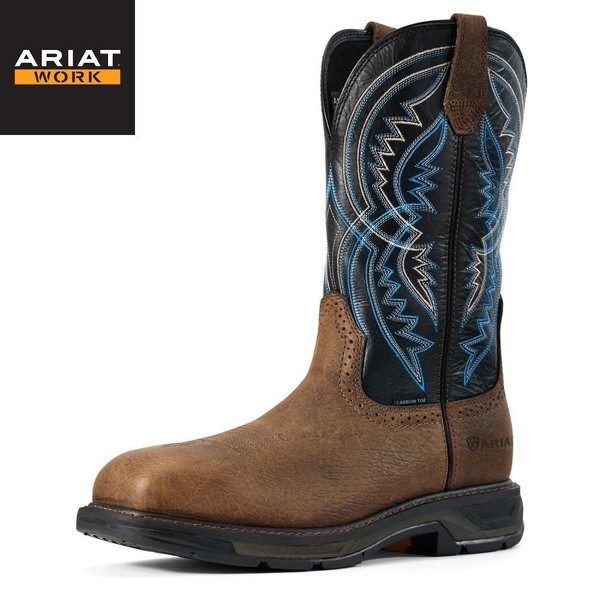
A solid choice if you prefer pull-on boots.
The cushioning system works well for long-standing hours, and the fit stays secure without laces. The sole handles uneven ground nicely.
Best for: Farm work, outdoor labor, long wear days
8. Danner Quarry USA
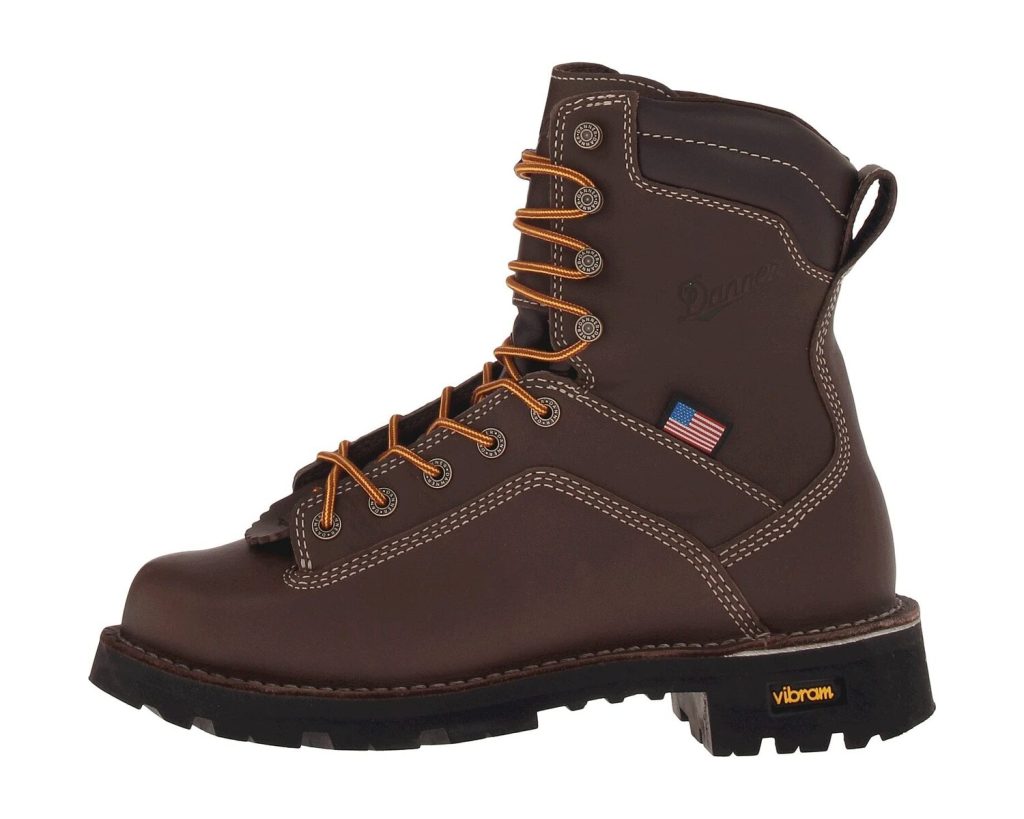
This boot is built for people who don’t sit down much.
The arch support is excellent, and the outsole handles rough terrain well. The leather quality is top-tier, which helps with long-term comfort and durability.
Best for: Heavy-duty work, long outdoor shifts
9. Irish Setter Wingshooter
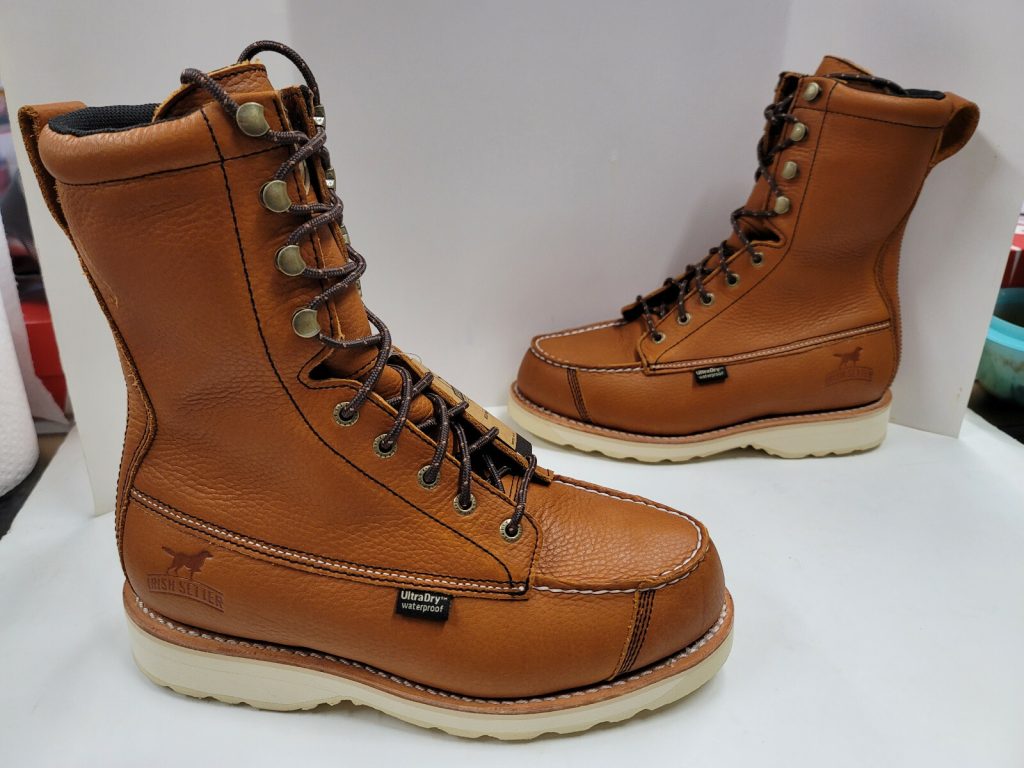
Comfort shows up early with this boot.
The wedge sole reduces pressure on the heels, and the leather breaks in faster than expected. It’s a good option if you want comfort without sacrificing toughness.
Best for: Standing heavy jobs, indoor work
10. Carhartt CMF6366
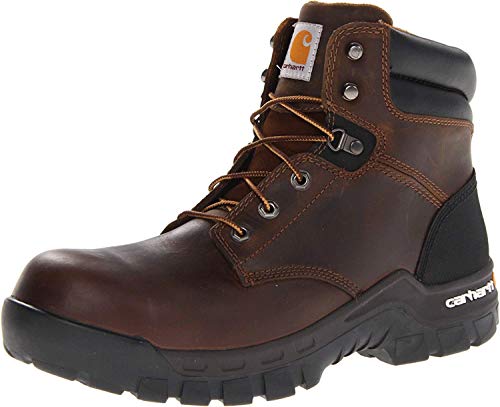
Carhartt got this one right.
The cushioning foam midsole helps reduce foot fatigue, especially on concrete. The boot doesn’t feel bulky, and the fit stays comfortable throughout long shifts.
Best for: Warehouse and delivery jobs
11. Georgia Boot AMP LT
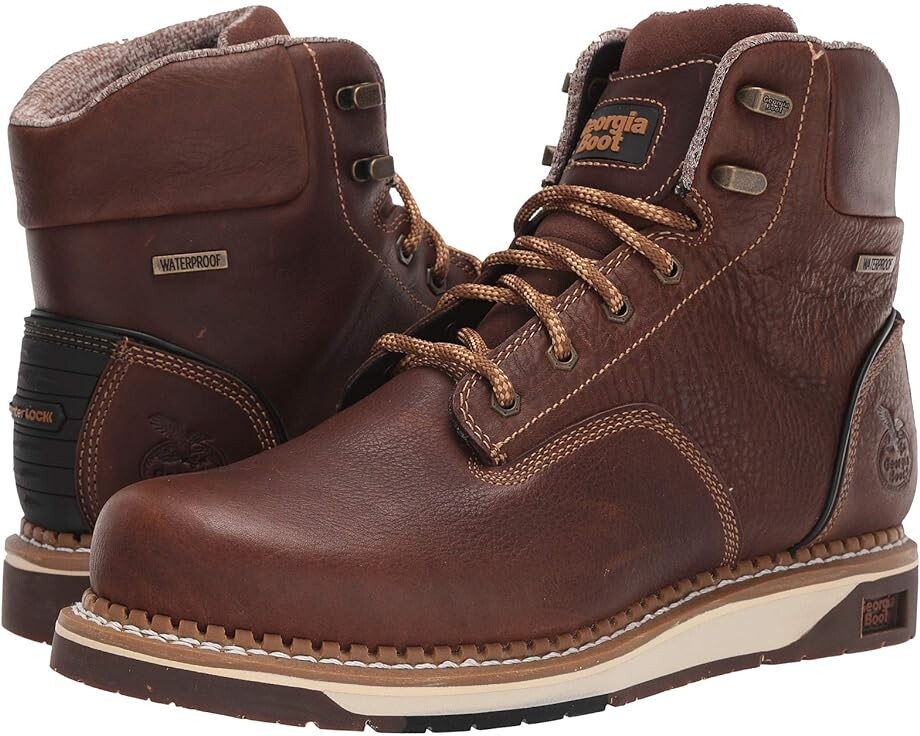
Lightweight matters more than people admit.
These boots reduce fatigue simply by not weighing your feet down. The insole offers solid cushioning, and the fit stays comfortable even after hours of walking.
Best for: Long walking shifts, lighter work
12. Wolverine Overpass
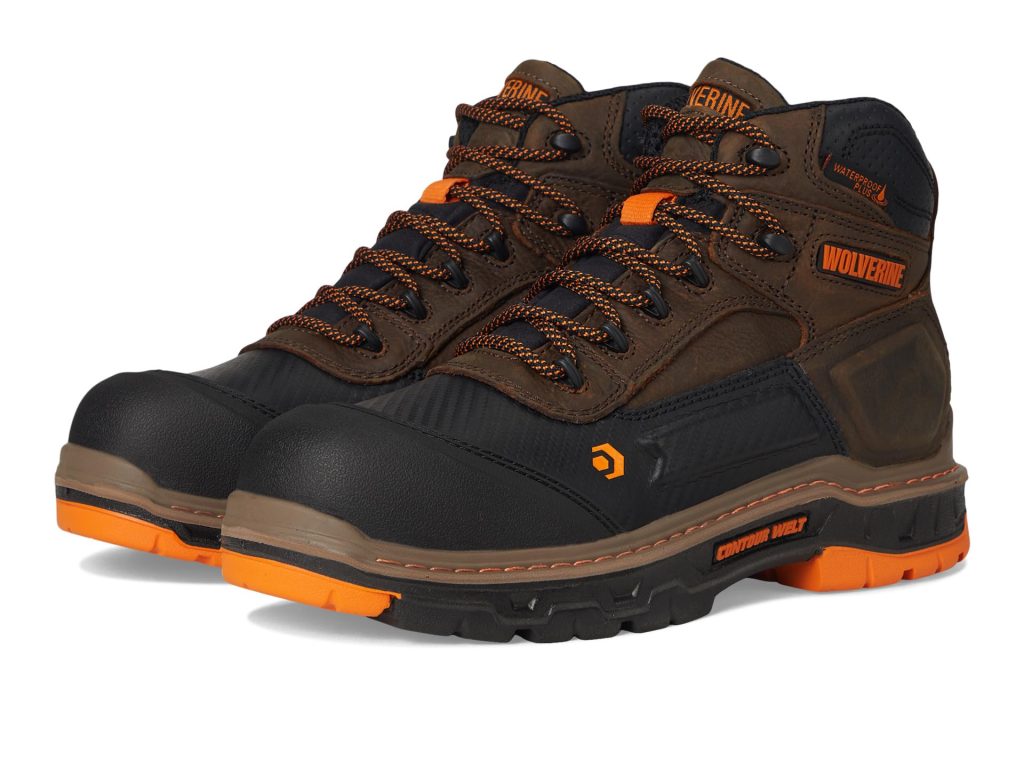
Flexibility is the highlight here.
The boot moves with your foot instead of fighting it. That alone makes long days easier. The sole absorbs shock well, especially on hard floors.
Best for: All day movement jobs
13. Dr. Martens Work Boots
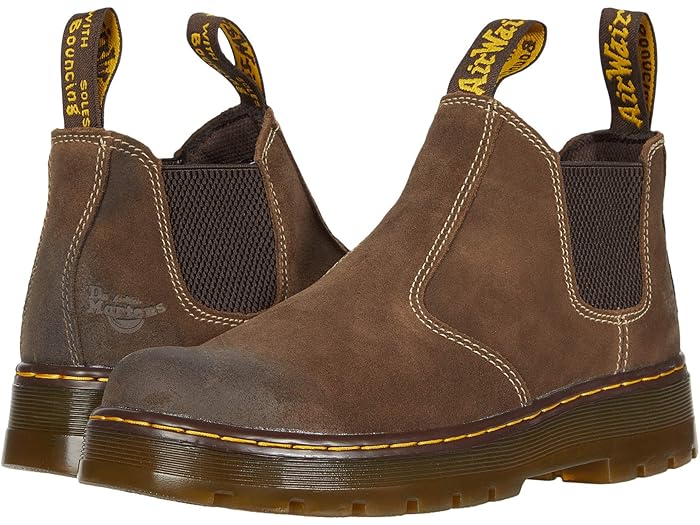
Not just fashion boots anymore.
The air cushioned sole helps with comfort, especially on concrete. The break in period varies, but once settled, they offer decent support for moderate workloads.
Best for: Light industrial work, service jobs
14. Blundstone Work Series
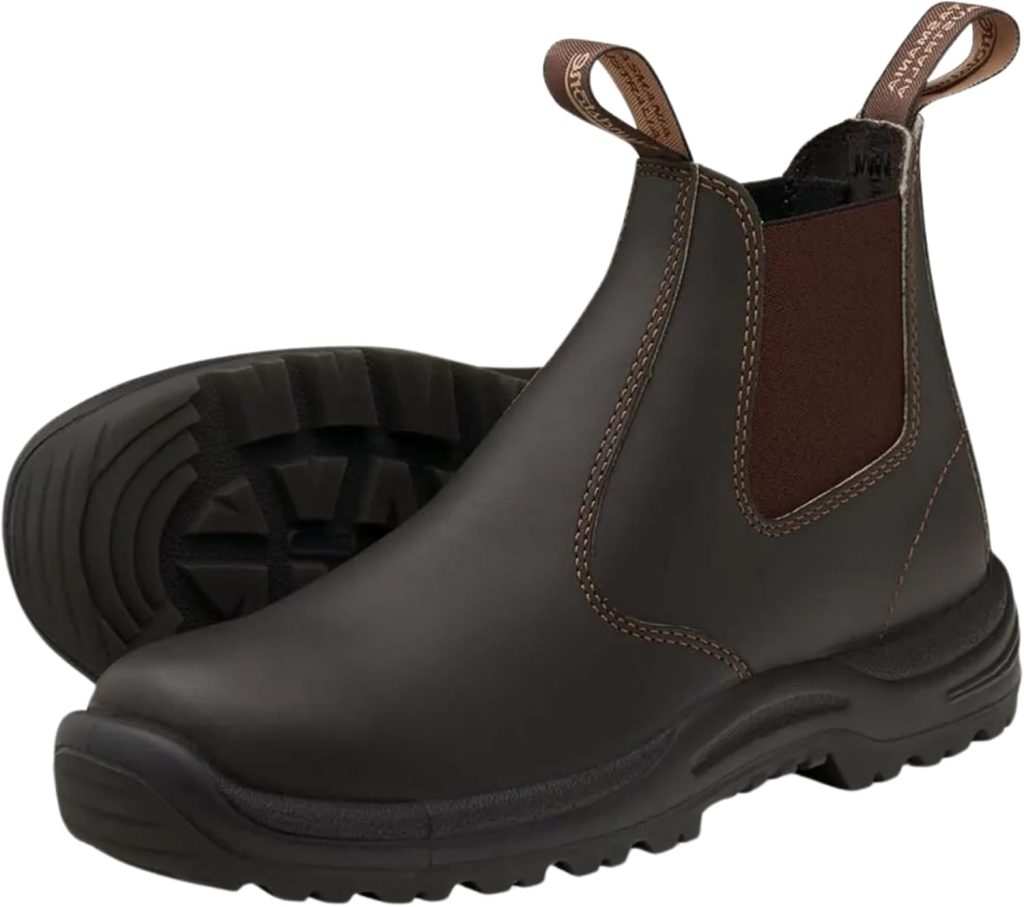
Slip on convenience with real comfort.
The cushioning underfoot makes these easy to wear for long hours. They’re especially good if you’re constantly on and off your feet.
Best for: Trades, casual job sites
15. Timberland PRO Pit Boss
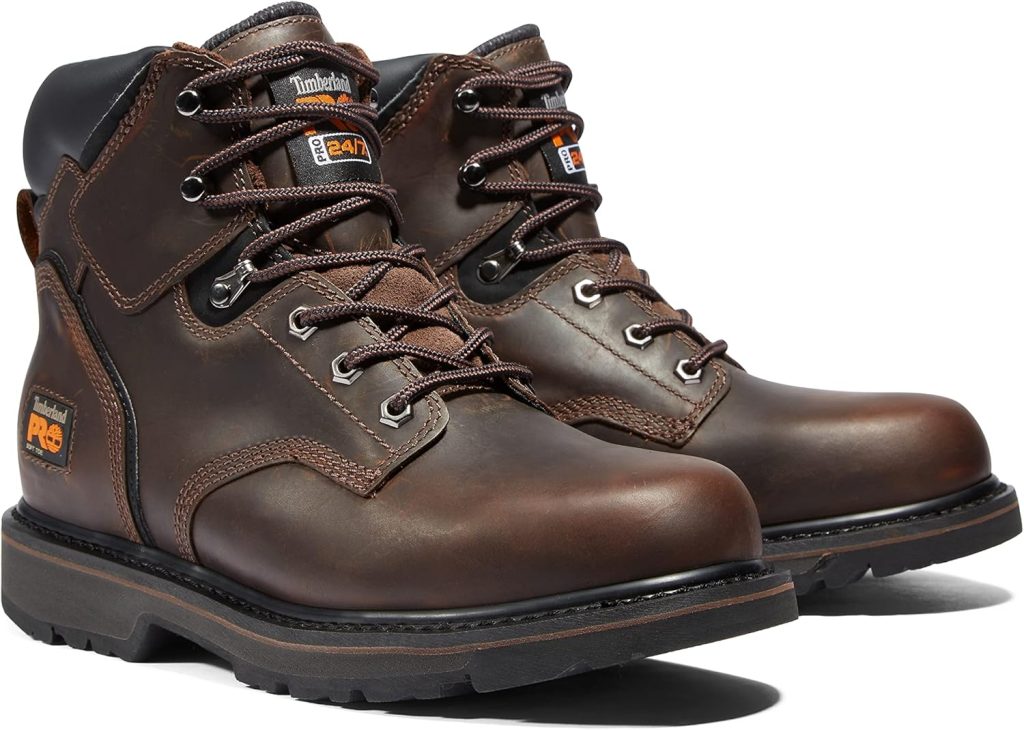
A classic for a reason.
The padded collar, solid sole, and overall fit make these dependable for long shifts. They’re not flashy, but they get the job done comfortably.
Best for: Construction, general labor
How to Choose the Most Comfortable Work Boots for Your Job
Step-by-step buying advice
- Know whether you stand, walk, or climb most of the day
- Match sole type to your surface
- Choose leather quality over looks
- Size properly with work socks
- Expect a short break in period, not pain
Comfort starts with honesty about how you work.
How to Break In Work Boots Without Destroying Your Feet
Breaking in boots doesn’t have to mean blisters.
Safe break in tips
- Wear them for short periods first
- Use thick socks early on
- Flex the sole gently by hand
- Condition leather to soften it
- Avoid soaking boots in water
Rushing the process usually shortens the lifespan.
Basic Maintenance That Keeps Boots Comfortable Longer
Comfort fades when boots are neglected.
Simple care habits
- Clean dirt after workdays
- Condition leather monthly
- Replace insoles when flattened
- Store boots in a dry space
Most foot pain starts with worn-out support, not age.
Common Mistakes That Ruin Work Boot Comfort
- Buying too narrow boots
- Ignoring sole type
- Skipping a break in time
- Never replacing insoles
- Letting boots stay wet
Comfort is maintenance plus fit.
FAQ: Most Comfortable Work Boots for Men
What are the most comfortable work boots for standing all day?
Boots with wedge soles and strong cushioning work best for standing long hours. They reduce heel pressure and absorb shock from concrete floors.
How long should work boots last with daily use?
With proper care, quality work boots last one to three years, depending on job conditions and maintenance habits.
Should work boots feel tight at first?
No. They should feel snug but not painful. Tight boots rarely become comfortable over time.
Are expensive work boots worth it?
Often yes. Better leather, soles, and construction usually mean longer-lasting comfort and durability.
Can insoles really improve comfort?
Absolutely. Replacing factory insoles can dramatically improve support and reduce fatigue.
In Conclusion
The most comfortable work boots don’t scream for attention. They quietly do their job while letting you focus on yours. When your feet stop hurting, your whole day improves. You move better. You work longer. You go home less exhausted.
Comfort is not weakness. It’s smart.
So before your next shift starts, ask yourself honestly: are your boots helping you get through the day, or just surviving it with you?
