
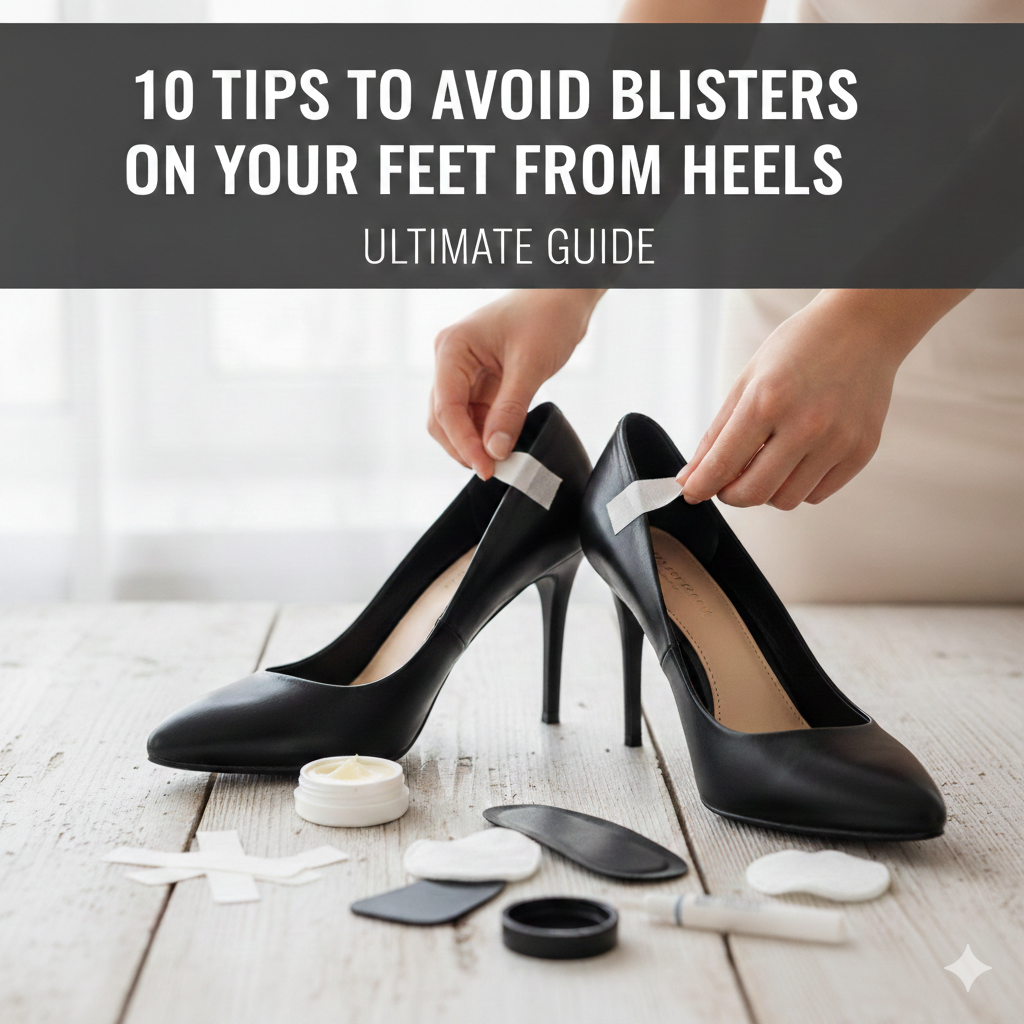
High heels. Love them or dread them, they have a way of transforming your outfit—and sometimes your day. But we all know the pain that comes with strutting in heels: blisters. There’s nothing worse than a fresh pair of heels rubbing painfully against your heels, turning confidence into discomfort. After years of wearing, repairing, and testing shoes, I’ve learned that preventing blisters on heels is more than just luck—it’s a combination of fit, material, and simple care routines.
Blisters are sneaky. Sometimes they appear after just thirty minutes, sometimes after a long night out, leaving you limping and regretting your fashion choices. They aren’t just painful; they can ruin your favorite shoes and make walking a chore. That’s why knowing the right techniques, from break-in periods to choosing the right padding, is essential for anyone serious about wearing heels without pain.
Over the years, I’ve tested hundreds of heel types—from stilettos to block heels, leather to synthetic, and everything in between. Through trial, error, and some trial-and-true cobbler tricks, I’ve discovered practical ways to keep your feet happy. In this guide, I’ll share my best Preventing Blisters on Heels — Practical Guide & Tips, so you can enjoy your heels all day, every day, without that dreaded friction.
Why Do Heels Cause Blisters?
Understanding why blisters appear is the first step to preventing them. Heels put pressure on unusual spots: the back of your heel, sides of your toes, and balls of your feet. The friction caused by rubbing against stiff leather or poorly padded soles creates fluid-filled pockets.
Material matters a lot. Cheap synthetic leather often doesn’t flex with your foot, increasing friction. Smooth, quality leather, soft suede, or cushioned insoles adapt better, reducing the chance of rubbing.
Another factor is sizing. Many women wear heels that are slightly too tight to avoid slipping, but this can trap their skin, creating hotspots. Conversely, shoes that are too loose slide around, also causing blisters. Striking the right balance is key.
10 Tips to Avoid Blisters on Your Feet from Heels
1. Choose the Right Size and Fit
It may seem obvious, but shoe sizing is critical. Even half a size too small can lead to friction at the heel.
- Always try on shoes later in the day when your feet are slightly swollen.
- Ensure there’s a thumb-width space at the toes.
- Check heel snugness: your foot shouldn’t slide backward when walking.
Remember, every brand runs slightly differently. Leather often stretches, while synthetic materials may remain rigid. Investing time in the right fit reduces the chance of painful blisters.
2. Break in New Heels Gradually
You wouldn’t expect a leather bag to soften instantly, right? Shoes are the same. Breaking in heels prevents friction by allowing the material to adapt to your foot shape.
- Wear new heels around the house on short walks.
- Pair with thick socks to stretch the leather gently.
- Repeat over several days before taking them out for a night on the town.
Patience here is everything. A few days of gradual wear is worth a week of blisters.
3. Use Heel Cushions or Inserts
Sometimes, even perfectly sized heels can rub. That’s where cushions and inserts save the day.
- Gel heel pads reduce friction and absorb shock.
- Leather or silicone inserts conform to your foot, keeping it from sliding.
- Stick-on cushions for the ball of the foot can prevent rubbing in open-back heels.
Test different types to see which works best. The right insert can make a stiff, stylish heel feel custom-made.
4. Prevent Friction with Anti-Friction Products
There are several products designed to reduce rubbing and friction in vulnerable areas.
- Anti-blister sticks or balms create a smooth barrier on your skin.
- Petroleum jelly on hot spots can prevent skin from catching.
- Moisturizing feet beforehand can help, but don’t overdo it; too much oil can make your foot slip inside the shoe.
These tricks are favorites of cobblers and footwear testers alike. A small dab goes a long way.
5. Consider Heel Height and Shape
Not all heels are created equal. Stilettos and very thin heels concentrate pressure in a small area, increasing the risk of blisters.
- Block heels distribute weight more evenly.
- A slightly lower heel reduces friction at the back of the foot.
- Platforms can balance the foot and reduce the angle, easing pressure on your heel.
Choosing shoes based on style compatibility and comfort is a secret every experienced shoe lover knows.
6. Mind Your Socks and Hosiery
It might sound simple, but the right socks or stockings can prevent blisters before they form.
- Thin, moisture-wicking socks reduce friction.
- Sheer stockings with silicone grips can stabilize the foot in closed heels.
- Avoid cotton socks in leather shoes—they increase rubbing when damp.
In summer, stockings act as a protective layer; in winter, thermal socks provide both warmth and cushioning.
7. Leather Quality and Sole Type Matter
Good materials make a big difference. Cheap shoes often have stiff leather or poorly finished seams that rub.
- Look for soft, flexible leather that molds to your foot.
- Smooth, seamless interiors minimize friction points.
- Non-slip, padded soles improve stability and prevent heel sliding.
Investing in durable shoes with high-quality leather pays off with long-term comfort and fewer blisters.
8. Adjust Straps and Buckles Properly
Straps can either secure or irritate your foot. Improperly fastened straps rub against the back of your heel or sides of your foot.
- Make sure ankle straps are snug but not tight.
- Use additional strap holes if available.
- Double-check before walking—loose straps mean more sliding, more friction.
Even a slight adjustment can turn a painful pair into a comfortable option for hours.
9. Maintain Your Heels Regularly
Maintenance isn’t just about shine—it’s about comfort. Shoes that are cracked, stretched, or worn unevenly can irritate your feet.
- Condition leather to keep it supple.
- Check insoles and replace if flattened.
- Keep soles smooth and heels intact; worn-down heels can shift your posture, causing friction in new areas.
Routine care prolongs durability and reduces the chances of painful surprises.
10. Know Your Foot Type
Finally, understanding your foot’s shape can prevent a lot of discomfort. High arches, narrow heels, or wide toes each need specific attention.
- Narrow heels benefit from heel grips or inserts.
- Wide feet may need shoes with more room at the back.
- Flat feet often require supportive insoles to prevent sliding.
Shoes aren’t one-size-fits-all. Tailoring your choice to your unique foot type prevents blisters before they start.
FAQ – Preventing Blisters on Heels
Q1: How do I stop my heels from rubbing instantly?
Apply a thin layer of petroleum jelly or an anti-friction balm to the area. A gel heel cushion can also reduce friction immediately.
Q2: Can breaking in heels really prevent blisters?
Yes. Gradually wearing new heels allows leather to stretch and mold to your foot, reducing rubbing points.
Q3: Are high-quality leather shoes worth it?
Absolutely. Soft, flexible leather adapts to your foot, reduces friction, and is less likely to cause blisters compared to cheap synthetics.
Q4: Can inserts or pads make a big difference?
Yes. Silicone or gel inserts absorb shock, prevent heel sliding, and cushion pressure points, making even stiffer heels more comfortable.
Q5: How can I choose heels that won’t hurt all day?
Look for shoes with stable heels, soft leather, padded soles, and correct sizing. Consider ankle straps and block heels for better weight distribution.
Final Thoughts
Blisters on heels are frustrating, but they don’t have to ruin your day—or your shoes. By understanding your feet, choosing the right materials, and using simple protective tools, you can enjoy heels comfortably for hours. Remember, comfort, fit, and durability go hand-in-hand.
So, what’s your go-to trick for keeping heels blister-free—have you tried gel inserts, or do you swear by the break-in method? Share your secrets in the comments!
