
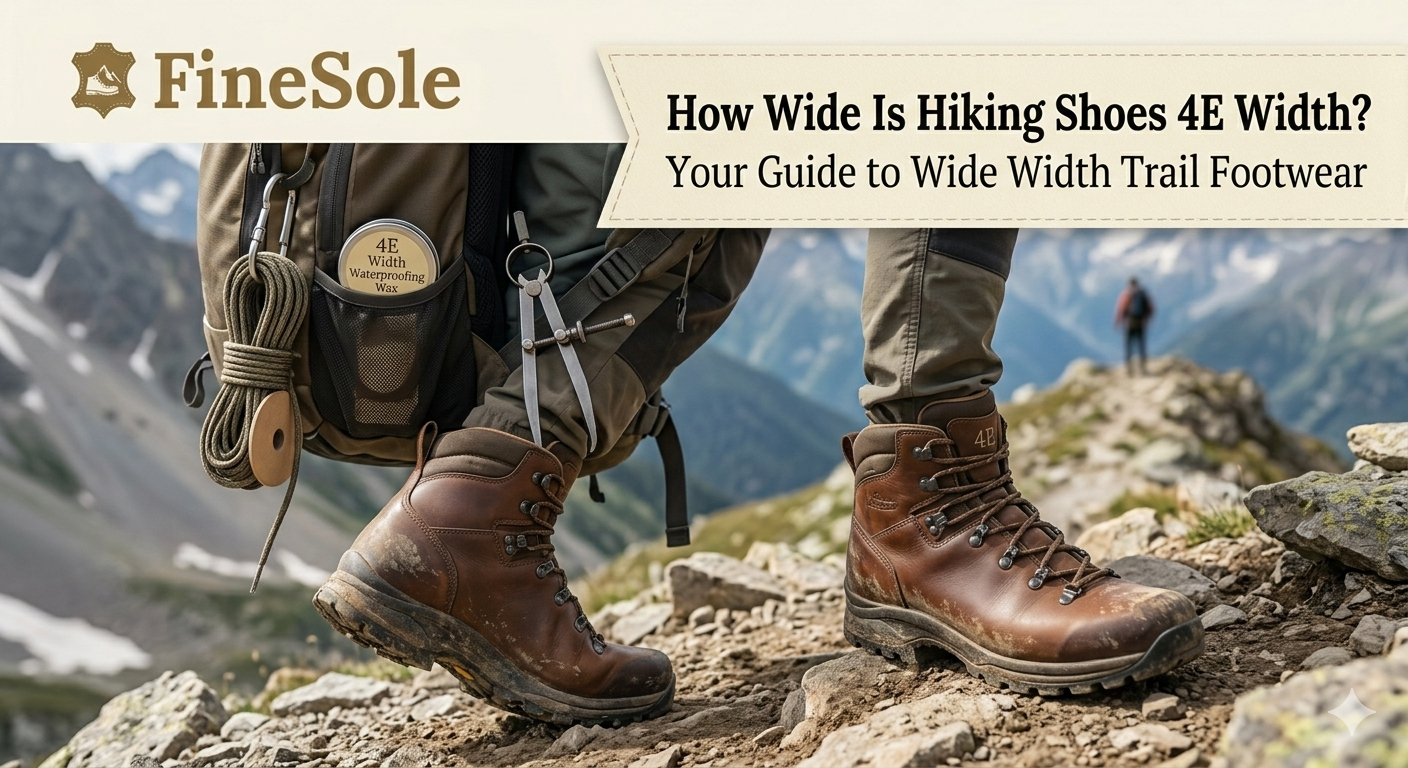
If you have ever laced up hiking boots only to feel your forefoot squeezed halfway through the trail, you already know the problem. Blisters start forming, your toes feel cramped, and what should be an enjoyable hike turns into a slow, uncomfortable march. I have seen this countless times at the workbench. Most hikers blame the brand or the break-in period. But more often than not, the real issue is width. That is why understanding hiking shoes’ 4E width matters more than many people realize.
Over the years, I have helped outdoor enthusiasts who kept sizing up in length, thinking it would fix the pressure across their feet. It rarely does. Extra length creates heel slip, unstable footing, and faster wear. What wide-foot hikers usually need is proper width, not longer shoes. When someone finally tries true 4E hiking shoes, the relief on their face is immediate. Toes spread naturally. Hot spots disappear. Balance improves.
So if you are wondering whether hiking shoes in 4E width are right for you, or how wide they really are in practical terms, this guide will walk you through it like a seasoned cobbler who has seen what works and what fails on real feet.
Quick Answer: What Is Hiking Shoes 4E Width?
Hiking shoes 4E width refers to extra-wide hiking footwear designed to provide significantly more room in the forefoot and midfoot compared to standard widths.
Simple width scale for men
- D width equals standard
- 2E equals wide
- 4E equals extra wide
- 6E equals double extra wide
In most men’s hiking shoes, a 4E width provides roughly 0.4 to 0.6 inches more forefoot space than standard D width. Exact measurements vary slightly between brands and shoe sizes.
If your feet feel squeezed in regular hiking boots, 4E width often solves the problem immediately.
What Does 4E Mean in Hiking Shoes?
When we talk about width in hiking footwear, the lettering system follows the same structure as athletic shoes. But here is something many hikers miss. Width matters even more on the trail than on pavement.
Why Width Is Critical for Hiking
- Feet naturally swell during long hikes
- Downhill movement pushes toes forward
- Thick hiking socks take up space
- Uneven terrain requires proper foot splay
A hiking shoes 4E width model is built to accommodate these realities. From my experience repairing trail shoes, hikers with wide feet who wear narrow boots often suffer from premature upper splitting and toe box deformation.
How Wide Is Hiking Shoes 4E Width in Inches?
Let us get practical. While brands vary slightly, here is a typical comparison based on a men’s size 10 hiking shoe.
Approximate Forefoot Width
- D width: about 4.0 inches
- 2E width: about 4.2 inches
- 4E width: about 4.4 to 4.6 inches
That extra space may look small on paper, but on a five mile hike, it makes a noticeable difference in comfort and durability.
Keep in mind that width increases proportionally with shoe size. Larger sizes in 4E will be wider than smaller ones.
Signs You Need Hiking Shoes in 4E Width
Not everyone needs extra wide hiking footwear. But certain red flags show up repeatedly in my shop.
Common Warning Signs
- Toes rubbing the side walls
- Pinky toe blisters after hikes
- Foot bulging over the midsole
- Numbness during long walks
- Excessive forefoot creasing
- Burning sensation on descents
If you notice these issues consistently, your current hiking shoes are likely too narrow.
Who Should Consider 4E Hiking Shoes?
From years of fitting and repairing outdoor footwear, these groups most often benefit from extra wide hiking shoes.
Foot Types That Often Need 4E
- Naturally wide forefeet
- Flat feet that spread under weight
- Hikers with bunions
- People who wear thick hiking socks
- Long distance trekkers
- Heavier hikers with foot splay
That said, the only reliable way to know is proper measurement. I have seen slim hikers who still required 4E simply because of their foot shape.
How to Measure Your Foot for Hiking Shoes 4E Width
If you want a quick at home check, here is the same method I recommend to customers.
Step by Step Measurement
- Place paper on a hard floor
- Stand fully on the paper
- Trace around your foot
- Measure the widest forefoot point
- Compare with a width chart for your size
Pro tip: Measure in the evening after walking. Feet expand throughout the day, especially before a hike.
Comfort Benefits of Hiking Shoes 4E Width
When hikers finally switch to the correct width, the improvement is usually immediate.
What You Will Notice
- Toes can spread naturally
- Less friction on long trails
- Improved blood circulation
- Better downhill comfort
- Reduced hot spots and blisters
In my repair experience, properly fitted wide hiking shoes also maintain their shape longer.
Durability Advantages of Proper Width
This is something many buyers overlook. Narrow shoes on wide feet fail faster.
Problems I Commonly Repair
- Sidewall blowouts
- Toe box distortion
- Split stitching
- Midsole separation
- Uneven outsole wear
When your foot fits correctly inside a hiking shoes 4E width model, the upper and sole work the way they were designed to.
Common Mistakes When Buying Wide Hiking Shoes
After years of watching hikers shop, these mistakes keep showing up.
Sizing Up Instead of Going Wider
Longer shoes do not fix width problems. They create heel slip and instability on uneven terrain.
Ignoring Sock Thickness
Thick hiking socks can change the fit dramatically. Always try shoes with your trail socks.
Assuming All Brands Fit the Same
Some brands run naturally narrow even in wide sizes. Always check user feedback.
Expecting Break In to Fix Width
Leather and mesh can soften slightly, but they rarely stretch enough to compensate for a true width mismatch.
When 4E Hiking Shoes May Be Too Wide
Yes, it can happen. Shoes that are too wide create their own set of problems on the trail.
Watch for These Signs
- Heel lifting on climbs
- Foot sliding inside the shoe
- Wrinkling across the upper
- Loss of lateral stability
Proper hiking fit should feel secure but not restrictive.
Expert Tips Before Buying Hiking Shoes 4E Width
After years around hiking footwear, these are the tips I give most often.
Shop Later in the Day
Feet swell with activity. Afternoon fitting is more realistic.
Look for a Rounded Toe Box
Some wide shoes still taper sharply. A natural foot shape works best.
Check the Sole Type
Trail shoes should balance grip and flexibility. Overly stiff soles can feel clunky on long hikes.
Consider Break In Period
Good hiking shoes should feel comfortable early. Minor softening is normal, but pain is a warning sign.
FAQs About Hiking Shoes 4E Width
What does 4E mean in hiking shoes?
In hiking footwear, 4E means extra wide width. It provides significantly more space in the forefoot and midfoot compared to standard D width shoes.
How much wider is 4E than regular hiking shoes?
A 4E hiking shoe is typically about 0.4 to 0.6 inches wider in the forefoot than standard width, though exact measurements vary by brand.
Are 4E hiking shoes good for long distance hiking?
Yes. Hikers with wide feet often experience better comfort, fewer blisters, and improved stability when wearing properly fitted 4E hiking shoes on long trails.
Can hiking shoes stretch to fit wide feet?
Most hiking shoes stretch very little. It is better to buy the correct width from the start rather than relying on break in to fix tightness.
Do all hiking brands offer true 4E width?
No. Some brands label shoes as wide but run narrow in practice. Always check detailed sizing charts and user reviews.
Final Thoughts
Understanding hiking shoes 4E width can completely change your trail experience. The right width allows your foot to move naturally, reduces fatigue, and helps your boots last longer under real outdoor stress. After years of repairing worn out hiking footwear, I can confidently say that width is one of the most overlooked factors in hiking comfort.
If your toes feel cramped or your forefoot aches after every hike, the problem may not be the brand or the terrain. It may simply be that your shoes are too narrow. So before your next outdoor adventure, ask yourself this: are your hiking shoes truly built for your feet, or are your feet still fighting for space inside them?
SEO Meta Title
Hiking Shoes 4E Width Explained: Extra Wide Fit Guide
Meta Description
Learn what hiking shoes 4E width means, how wide they are, and who needs them. Expert tips for choosing extra wide hiking footwear that fits right.
URL Slug
hiking-shoes-4e-width
