
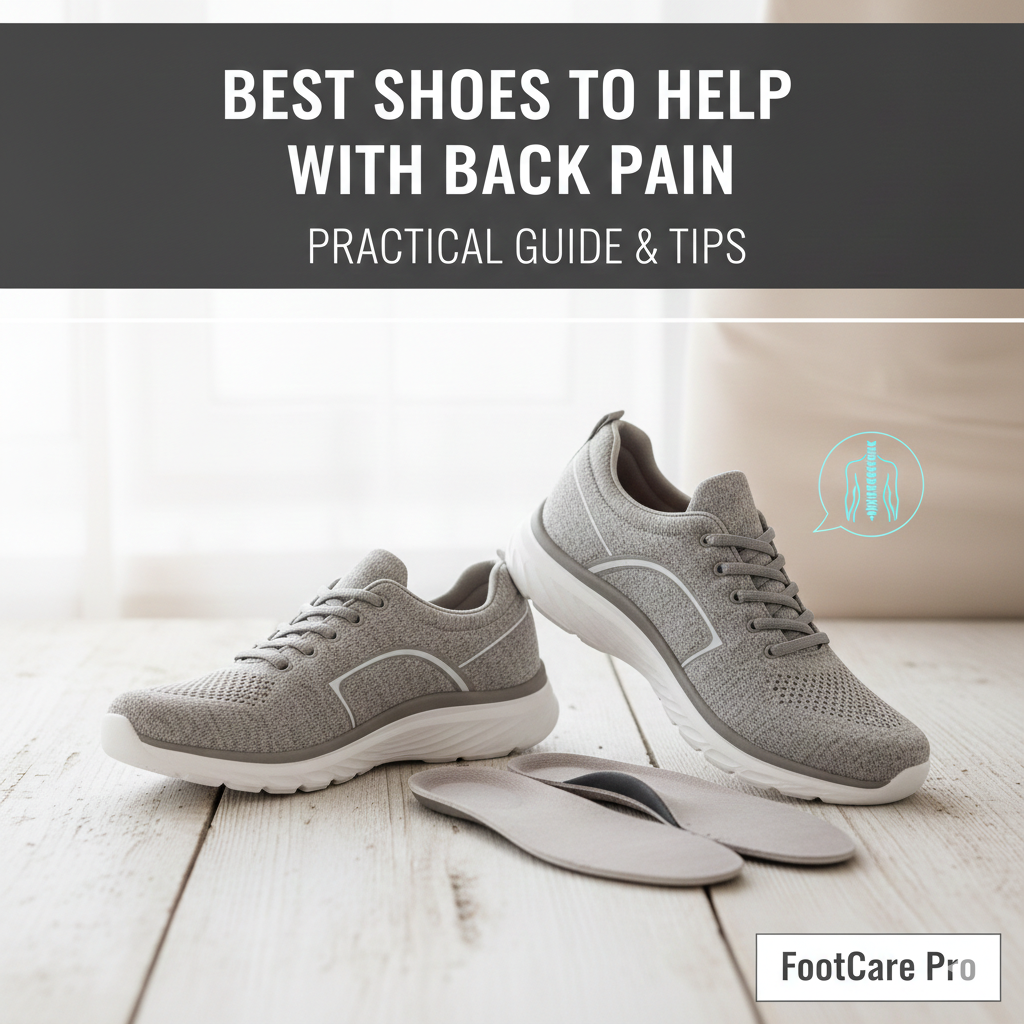
Back pain. It sneaks into your daily life, making even simple activities feel like a challenge. You sit at your desk, walk through the office, or run errands, and that dull ache radiates down your spine. What if I told you that your shoes could be part of the solution? That’s right—your footwear is more than just a fashion statement; it plays a crucial role in supporting your posture and easing strain on your back. In this guide, I’ll share everything I’ve learned from years of testing, repairing, and wearing shoes: the Best Shoes for Back Pain: Your Complete Guide to Pain-Free Walking.
I’ve spent decades walking in, fixing, and reviewing shoes of all types. Leather boots that stubbornly refuse to break in, cushioned sneakers that feel like walking on clouds, and ergonomic work shoes that save your back after a long shift—I’ve tried them all. Through trial, error, and a little insight from shoemakers and podiatrists, I’ve discovered what works and what doesn’t. If you’re tired of swapping pillows, braces, or endless stretches, the right pair of shoes could be the relief you’ve been searching for.
Many people overlook the connection between footwear and spinal health. Your feet are your foundation, and if they’re unsupported, your knees, hips, and spine take the brunt. Choosing shoes with proper arch support, cushioning, and alignment can reduce the risk of chronic back pain. In this guide, I’ll show you how to select shoes that combine comfort, durability, and style compatibility while promoting proper posture. Think of it as a roadmap to pain-free walking.
Why Footwear Matters for Back Pain
Your feet aren’t just for walking—they’re the base of your entire skeletal alignment. Improper support can create a chain reaction: collapsed arches lead to overcompensation in your knees, which in turn strains your lower back.
Key factors to consider in shoes for back pain:
- Arch Support: Maintains natural foot alignment and reduces stress on the spine.
- Cushioning: Absorbs impact, especially if you spend hours on hard surfaces.
- Heel Height: Avoid extreme angles; modest lifts reduce lumbar strain.
- Fit and Sizing: Too tight or too loose causes imbalance and friction.
Investing in the right shoes isn’t indulgent—it’s preventative care for your spine. A well-designed shoe supports your posture, reduces fatigue, and helps you move naturally.
1. Prioritize Arch Support
Arch support is non-negotiable for anyone with back pain. Shoes that conform to your foot’s natural curve distribute weight evenly, reducing pressure on your lower back.
- Look for shoes with molded footbeds or removable orthotic inserts.
- Test for support by pressing the midsole with your thumb; it should be firm yet slightly flexible.
- Avoid completely flat shoes unless paired with an arch insert.
Real-life tip: I once switched from cheap flats to shoes with a supportive footbed, and after two weeks, my lower back soreness decreased noticeably.
2. Cushioning Matters
Cushioning absorbs shock with every step, reducing the impact transmitted to your spine. Materials like memory foam, gel, or EVA midsoles make a huge difference in comfort.
- High-density foam maintains durability without flattening over time.
- Check for padding under the heel and forefoot for optimal shock absorption.
- Replace insoles regularly; worn-out cushioning negates the benefits.
Tip: Even dress shoes can benefit from cushioned inserts—no need to sacrifice style for comfort.
3. Choose the Right Heel Height
Extreme heels can force your spine into an unnatural curve, aggravating back pain. Opt for moderate heels that balance elevation with comfort.
- Heels under 2 inches are generally safe for everyday wear.
- Wedges distribute weight more evenly than stilettos.
- Adjustable straps help stabilize the foot, reducing sliding and friction.
Practical insight: For formal events, I often use half-inch heel lifts inside supportive flats to maintain posture without pain.
4. Consider Sole Type and Durability
The sole affects both support and longevity. A flexible, durable sole adapts to natural foot movement, preventing jolts to your spine.
- Rubber or composite soles provide grip and shock absorption.
- Avoid overly stiff or slippery soles; they increase strain and risk of injury.
- Layered or multi-density soles can combine stability with comfort.
Think of it as the foundation of your shoe—the right sole prevents a cascade of discomfort from your feet to your back.
5. Opt for Proper Sizing and Fit
Fit is everything. Even supportive shoes fail if they’re too tight, too loose, or pinching the wrong spots.
- Measure your feet regularly; sizes can change over time.
- Test shoes at the end of the day when your feet are slightly swollen.
- Ensure a thumb-width gap at the toes, and check heel snugness.
Remember, ill-fitting shoes can lead to friction, blisters, or imbalance—any of which can worsen back pain.
6. Break in Your Shoes Gradually
New shoes often feel stiff, and that initial discomfort can stress your lower back as you subconsciously adjust your gait.
- Wear new shoes indoors first on short walks.
- Use thick socks to stretch leather gently if needed.
- Gradually increase wear time over several days.
Pro tip: Even quality sneakers need a break-in period—your spine will thank you.
7. Prioritize Material Quality
Leather, suede, and high-quality synthetics mold better to your foot, reducing friction and improving support.
- Soft leather conforms while remaining durable.
- Avoid cheap synthetics that stay rigid and rub.
- Check seams and stitching to prevent pressure points.
Maintenance tip: Regularly condition leather to keep it supple; this preserves cushioning and prolongs wear.
8. Use Orthotic Inserts When Needed
Orthotic inserts are lifesavers for many back pain sufferers. Custom or over-the-counter inserts can correct alignment issues and reduce stress on your spine.
- Ensure the insert fits your shoe properly; bulky inserts can worsen fit.
- Replace worn inserts regularly.
- Consult a podiatrist for severe or chronic back pain.
Even the most stylish shoe can support your spine if paired with the right insert.
9. Consider Weight Distribution
Shoes that evenly distribute weight prevent uneven strain. Wide toe boxes, supportive midsoles, and reinforced heels help maintain alignment.
- Avoid narrow, pointed-toe shoes that cramp toes and shift posture.
- Check that the shoe’s base matches your activity—walking shoes differ from work shoes.
- Stability features, like heel counters, prevent the foot from rolling.
Remember, your feet carry your entire body—balance them correctly.
10. Match Shoes to Activity
Different activities require different support levels. Casual sneakers may work for walking, but standing for long periods requires additional cushioning.
- Dress shoes for work: choose supportive insoles and moderate heels.
- Athletic shoes: prioritize arch support and shock absorption.
- Travel shoes: lightweight, flexible, and cushioned for long walking sessions.
Practical tip: Rotate shoes to prevent repetitive stress; even the best shoes lose support if worn nonstop.
Top Shoe Recommendations for Back Pain
Here’s a list of some shoes that consistently get high marks for comfort, support, and style:
- Brooks Ghost 16: Excellent cushioning and arch support for walkers.
- Clarks Un Adorn Zip: Leather comfort with moderate heels for office wear.
- New Balance 990v5: Durable, stable, and cushioned for everyday use.
- Vionic Tide II Sandals: Orthotic support and heel stability.
- Ecco Soft 7 Sneakers: Stylish leather shoes with flexible, cushioned soles.
Tip: Even within brands, styles differ. Always try on multiple options and walk around the store if possible.
FAQ — Shoes for Back Pain
Q1: Can shoes really reduce back pain?
Yes. Proper arch support, cushioning, and alignment reduce strain on your spine and improve posture, which can significantly decrease back discomfort.
Q2: Are orthotic inserts necessary for everyone?
Not always, but they’re highly recommended if you have flat feet, high arches, or chronic back pain. Over-the-counter or custom inserts can make a big difference.
Q3: Should I avoid heels completely?
No, but choose moderate heights, stable bases, and cushioned shoes. Extreme stilettos are more likely to aggravate back pain.
Q4: How long does it take to notice improvement?
Many people notice relief within days to weeks when switching to supportive shoes and inserts, though chronic conditions may require longer adaptation.
Q5: Can I wear shoes for back pain every day?
Yes, but rotate styles to avoid repetitive stress. Maintain your shoes with cleaning, conditioning, and replacing worn-out insoles to preserve support.
Final Thoughts
Choosing the best shoes to help with back pain isn’t about compromising style—it’s about making a long-term investment in your health and comfort. Shoes with proper arch support, cushioning, and fit protect your spine and let you walk confidently, whether at work, traveling, or enjoying everyday life. Regular maintenance and careful selection extend the lifespan and effectiveness of every pair.
Your feet carry your life—why not treat them, and your back, with the care they deserve? What’s your favorite trick for staying pain-free in shoes: inserts, heel lifts, or a well-broken-in pair? Share your experiences below!
