
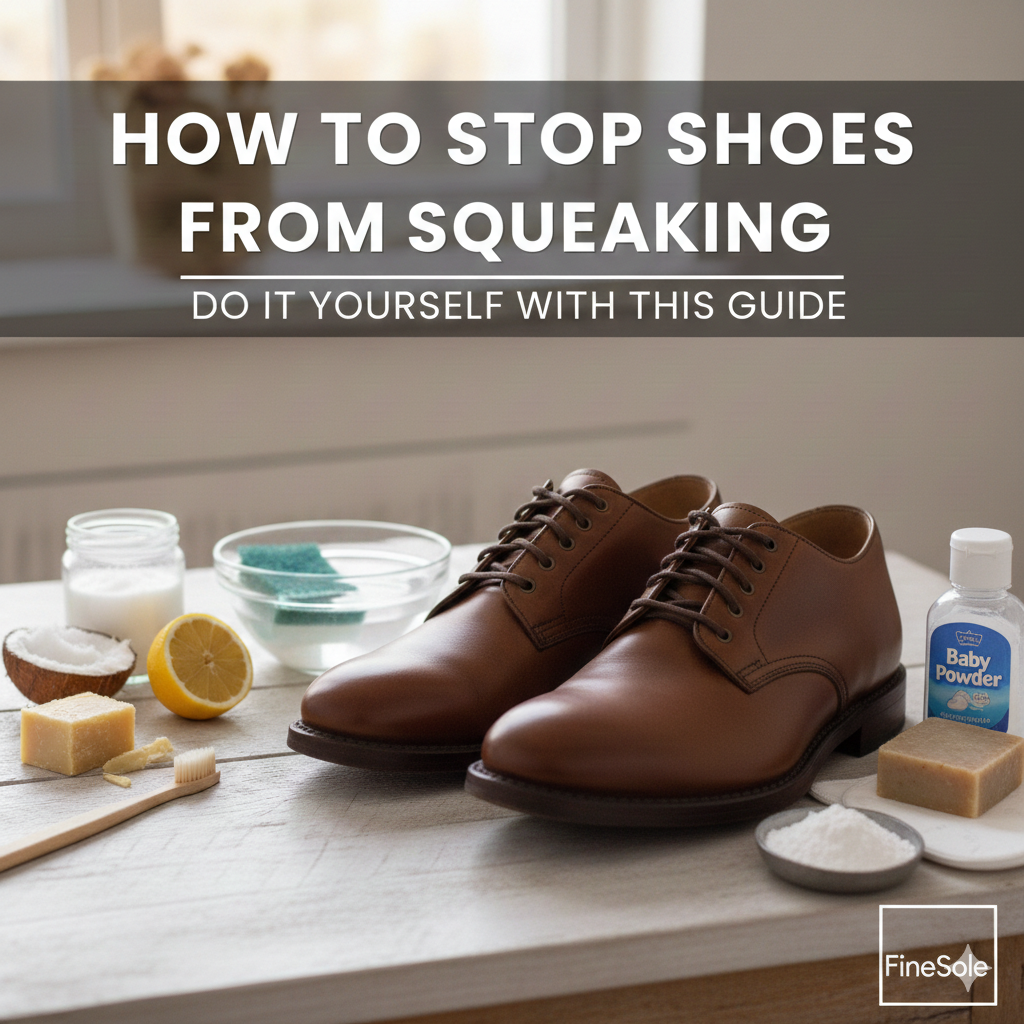
The first time it happened, I was walking into a quiet room. Polished floor. Everyone is already seated. And there I was, announcing my arrival with every step. Squeak. Pause. Squeak again. These were brand new shoes, too. Clean. Expensive. Supposedly well-made. That moment is usually when people start searching desperately for answers about new squeaky shoes and how to make the noise stop before it steals their confidence.
After years of wearing, repairing, and testing footwear, I can tell you squeaking is one of the most misunderstood shoe problems out there. People assume it means low quality or damage. Sometimes it does. Most times, it doesn’t. Squeaking is usually friction, moisture, or trapped air doing what physics tells it to do. The good news is that most squeaks are fixable at home without special tools or expensive products.
If you have ever wondered how to stop shoes from squeaking on tile floors, wooden floors, or even carpet transitions, this guide is for you. I’ve dealt with squeaks in dress shoes, sneakers, work boots, and leather soles. The causes differ, but the solutions often overlap in surprisingly simple ways.
Why Squeaking Feels Worse Than It Actually Is
There is something about shoe noise that hits harder than other footwear problems. A blister hurts, but it’s private. A squeak is public. It draws attention. It interrupts rooms. It makes you walk funny, which affects posture, comfort, and even fit over time.
New squeaky shoes are especially frustrating because you expect better. The break in period should involve softening and comfort, not sound effects. I’ve had customers return perfectly good shoes simply because of noise, when a five minute fix would have solved it.
Squeaking also creates the false impression that something is wrong with sizing or durability. In reality, many squeaks disappear once the shoe settles, moisture evaporates, or friction points are addressed. Understanding the source of the sound is the first step toward stopping it permanently.
What Actually Causes Shoes to Squeak
Before fixing anything, you need to know where the noise is coming from. Squeaks are not random. They come from specific interactions.
Moisture trapped between layers
Friction between sole and floor
Insoles rubbing against footbeds
Leather uppers flexing when dry
New shoes are more prone to squeaking because materials are stiff and sealed tightly. Leather quality, sole type, and construction methods all influence how likely a shoe is to make noise during early wear.
Step One: Find the Exact Source of the Squeak
This sounds obvious, but most people skip it. Walk on different surfaces. Tile. Wood. Concrete. Carpet. Pay attention.
If it squeaks only on tile, the outsole is the issue.
If it squeaks everywhere, the insole or inner layers are likely involved.
If it squeaks when bending, leather dryness is often the cause.
Knowing this saves time and prevents unnecessary treatments.
How to Stop Shoes from Squeaking on Tile Floors
Tile floors are squeak amplifiers. Smooth rubber and polished leather react badly together.
Here are simple fixes that work.
Lightly scuff the sole with fine sandpaper
Wipe soles with a damp cloth and let dry
Apply a tiny amount of baby powder to rubber soles
This reduces surface friction and changes how the sole grips the floor. I’ve fixed countless new squeaky shoes with nothing more than a light scuff and patience.
Fixing Squeaks Coming From Inside the Shoe
Internal squeaks are common and annoying. They usually come from insoles moving slightly with each step.
Remove the insole if possible
Sprinkle a small amount of baby powder or cornstarch
Reinsert and press firmly
This absorbs moisture and reduces rubbing. If the insole is glued down, applying powder around the edges can still help.
Moisture Is the Silent Culprit Behind Many Squeaks
Feet sweat. Shoes trap it. Moisture creates suction and friction inside the shoe.
Let shoes dry fully between wears
Rotate shoes instead of wearing daily
Use shoe trees or rolled paper
Moisture control improves comfort, prevents odor, and increases durability. It also reduces squeaking dramatically.
Leather Shoes That Squeak When You Walk
Leather squeaks differently. It often sounds sharper and happens during flexing.
Dry leather rubs against itself
Stiff uppers creak under movement
New leather needs conditioning
Apply a light leather conditioner to flex points. Massage it in gently. This softens fibers and quiets movement while extending the life of the shoe.
How to Stop New Squeaky Shoes During the Break In Period
The break in period is when squeaks show up most.
Wear shoes indoors briefly
Flex soles gently by hand
Condition leather lightly if needed
Avoid soaking or heat methods. Those damage structure and shorten lifespan. Controlled use is the safest approach.
Sole Type and Squeaking Explained Simply
Different soles behave differently.
Rubber soles squeak on smooth floors
Leather soles squeak when dry or polished
Synthetic soles trap air between layers
Understanding your sole type helps you choose the right fix instead of guessing.
Fixing Squeaks in Sneakers and Athletic Shoes
Sneakers often squeak because of air pockets or foam compression.
Remove insoles and dry thoroughly
Sprinkle powder under insoles
Check for loose stitching
These fixes also improve fit and comfort during long wear.
Storage Habits That Prevent Squeaks Long Term
Bad storage invites moisture and stiffness.
Store shoes in dry areas
Avoid plastic bags
Allow airflow
Good storage maintains leather quality and reduces future noise issues.
Common Mistakes That Make Squeaking Worse
Some fixes backfire.
Using too much oil
Over sanding soles
Wearing damp shoes
Moderation matters. Gentle changes work better than aggressive ones.
Buying Tips to Avoid Squeaky Shoes Next Time
Not all squeaks are avoidable, but smart buying helps.
Check sole material
Test shoes on store floors
Ask about return policies
Fit and sizing also matter. Shoes that are too tight flex unnaturally and squeak more.
Internal Linking Opportunities
This guide pairs well with articles on breaking in new shoes, leather shoe maintenance, how to choose the right sole type, and common shoe fit mistakes that cause discomfort.
FAQ: How to Stop Shoes From Squeaking
Why do new shoes squeak so much
New squeaky shoes often squeak because materials are stiff and moisture gets trapped inside. As shoes break in and soften, the noise usually fades, especially with proper drying and light conditioning.
How to stop shoes from squeaking on tile floors
To stop shoes from squeaking on tile, lightly scuff the sole, wipe it clean, or apply a small amount of baby powder. This reduces friction between smooth soles and polished tile surfaces.
Does shoe squeaking mean poor quality
Not always. Many high quality shoes squeak during early wear. Construction methods, sole type, and moisture levels matter more than price when it comes to squeaking.
Can leather conditioner stop squeaking
Yes. Conditioning dry leather softens flex points and reduces friction. This often stops squeaks while improving comfort and extending the life of the shoe.
When should I see a cobbler for squeaky shoes
If squeaking comes from loose soles, broken shanks, or internal separation, a cobbler can fix it. Persistent noise after home fixes may signal structural issues.
A Final Word From Someone Who Has Walked This Road
Squeaky shoes feel like a bigger problem than they usually are. Most of the time, they just need dryness, softness, or a small adjustment to how materials interact. New squeaky shoes do not mean bad shoes. They mean unfinished relationships between leather, sole, and movement. Treat them right and they settle down quickly. So before you give up on that pair you actually love, have you tried listening closely to what your shoes are really telling you?
