
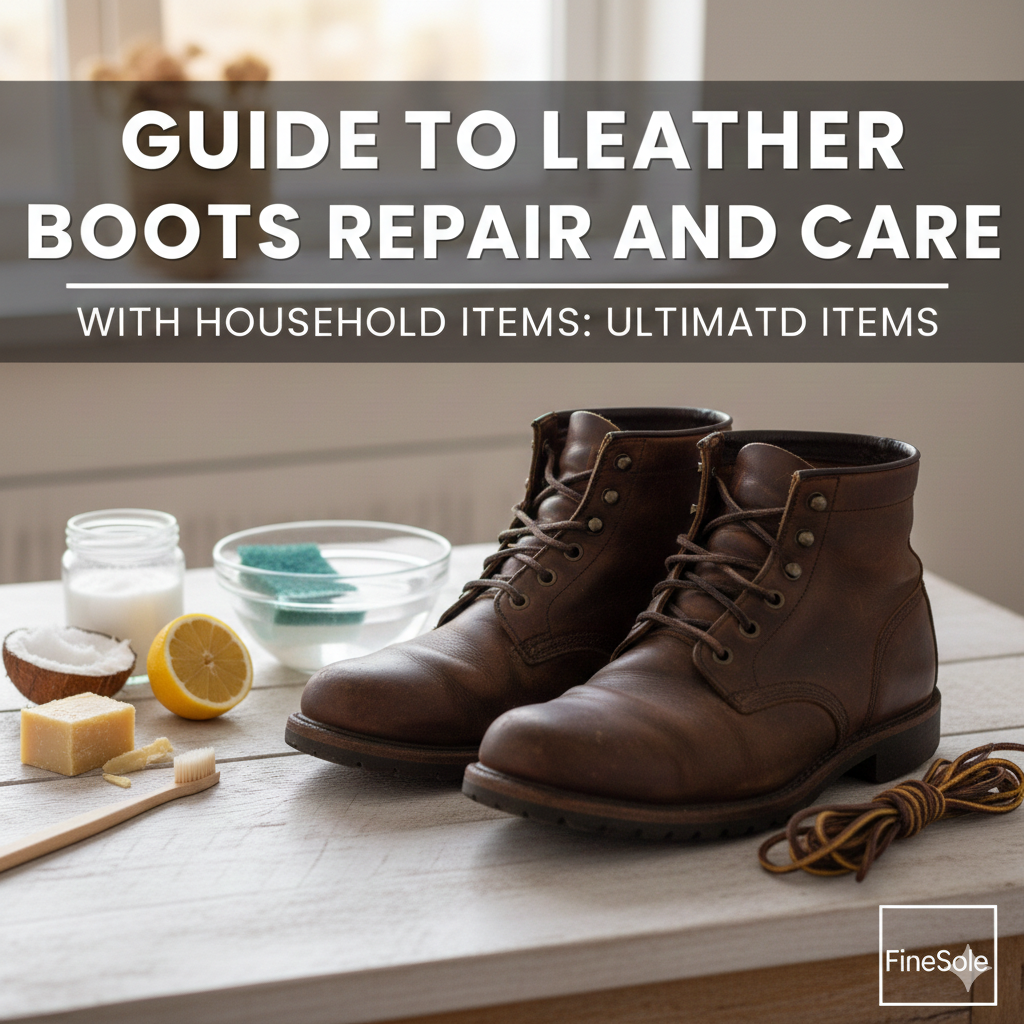
Leather boots have a way of becoming more than footwear. They carry stories. Long walks. Rainy mornings. Tough workdays. Weekend escapes. But nothing hurts quite like looking down one day and noticing cracked leather creeping across your favorite pair.
If you’ve ever searched desperately for cracked-leather repair boot tips, you’re not alone. I’ve been there many times, both behind a cobbler’s bench and on the other side of it as a customer who refused to give up on a well-worn pair.
Living With Leather Boots Long Enough to See Them Crack
Leather boots age the same way people do. Slowly, then all at once. One season they look solid and dependable. Next, the leather starts to feel dry, stiff, and tired. Tiny cracks show up around the toe box or flex points. You ask yourself a painful question. Is this the end, or can they be saved?
After years of repairing boots, wearing them daily, and testing every home trick imaginable, I can tell you this. Most cracked leather boots do not need to be thrown away. They need attention. Real care. The kind that respects leather as a living material that reacts to neglect, moisture, heat, and poor storage. Cracked leather repair boots solutions exist, and many of them are already sitting in your kitchen or bathroom cabinet.
Why Household Items Can Actually Save Your Boots
A lot of people think boot care requires expensive products and professional tools. Sometimes that’s true. But leather is surprisingly forgiving when treated early and correctly. Household items like vinegar, olive oil, beeswax, mild soap, and even old cotton shirts can restore comfort, durability, and appearance if used properly.
I’ve revived boots that walked through construction sites, muddy farms, airport terminals, and city streets. The secret was never fancy branding. It was understanding how leather behaves during the break in period, how moisture leaves the fibers, and how small habits either extend or destroy a boot’s lifespan. This guide focuses on cracked leather repair boots using simple methods that real people can actually follow.
Understanding Why Leather Boots Crack in the First Place
Cracks do not appear overnight. They build quietly through daily use and neglect. Leather dries out when natural oils evaporate. Heat speeds it up. Sunlight speeds it up. Walking without conditioning speeds it up. Poor fit and sizing make it worse because stress points form where leather bends unnaturally.
Boots with stiff sole types or poor flexibility crack faster at the toe box. Cheap leather quality accelerates damage, but even premium boots suffer if maintenance is ignored. I’ve seen expensive boots destroyed faster than budget pairs simply because the owner never cleaned or conditioned them.
First Rule of Cracked Leather Repair Boots: Stop the Damage Early
Once cracks deepen into splits, repair becomes cosmetic rather than restorative. That’s why early intervention matters. If your boots feel dry, squeaky, or rough to the touch, they’re already asking for help. Comfort drops. Fit feels tighter. Durability suffers.
Before reaching for any repair method, clean the boots gently. Dirt particles grind into leather fibers and make cracks worse every time you walk. Use a soft cloth and mild soap with warm water. Wipe gently. Never soak. Let them air dry naturally away from heat.
Step by Step Cleaning Method Using Household Items
Proper cleaning sets the foundation for every cracked leather repair boots fix.
First, remove laces and shake out dust.
Second, mix mild soap with warm water.
Third wipe gently with a soft cloth.
Fourth dry slowly at room temperature.
Avoid hair dryers or direct sun. Heat hardens leather and deepens cracks faster than anything else.
Conditioning Cracked Leather Boots Without Fancy Products
Conditioning is where magic happens. Leather needs oils to stay flexible. When those oils disappear, cracks form. Household oils can help if used sparingly and correctly.
Olive oil works in small amounts. Coconut oil works better in cooler climates. Beeswax mixed with a little oil creates a protective barrier. Apply a tiny amount using a cloth. Massage gently into cracked areas. Let it absorb overnight. Buff lightly the next day.
This restores comfort and improves style compatibility because leather regains its natural sheen rather than looking chalky or dull.
How to Repair Surface Cracks at Home
Surface cracks are shallow lines that haven’t split the leather. These are the easiest to fix;
- Clean thoroughly first.
- Condition generously but gently.
- Flex the leather slowly with your hands
- Repeat conditioning over several days.
This softens fibers and reduces visibility. It also improves fit and reduces foot pain caused by stiffness around flex points.
Deeper Cracks and When Household Fixes Help Most
Deeper cracks need patience. Household methods won’t erase them completely, but they can stop further damage and improve appearance.
After cleaning and conditioning, apply a thin layer of beeswax. Warm it slightly with your fingers. Press it into cracks. Buff lightly. This fills gaps and protects leather during daily wear. I’ve used this method on work boots that survived years longer than expected.
Mistakes That Destroy Leather Boots Faster Than Time
Some habits ruin boots quietly.
Wearing the same boots daily without rest traps moisture.
Storing boots in plastic suffocates leather.
Skipping conditioning dries fibers.
Ignoring fit causes uneven stress points.
Rotate boots if possible. Let them breathe. Store them with shoe trees or rolled paper to maintain shape and sizing.
10 Tips on How to Make Your Favourite Boot Look New Always
- Clean after heavy wear days
- Condition lightly every few weeks
- Rotate boots to rest leather
- Avoid heat drying
- Store upright with support
- Polish occasionally for protection
- Fix small cracks early
- Replace worn soles before damage spreads
- Avoid harsh cleaners
- Respect the break-in period
These habits dramatically improve durability and long-term comfort.
Sole Care Matters More Than You Think
Cracked leather repair boots often fail because of neglected soles. When soles wear unevenly, leather compensates, and cracks form. Check the sole type regularly. Rubber soles need cleaning. Leather soles need conditioning too. Replace worn heels early to maintain balance and fit.
Storage Advice That Actually Works
Store boots in a cool, dry place. Avoid damp closets. Avoid direct sunlight. Stuff toes lightly to prevent creasing. If you’ve ever pulled out boots that felt stiff and uncomfortable, poor storage was likely the culprit.
Style Compatibility and Daily Wear Choices
Boots meant for office wear suffer when used for rough terrain. Work boots crack faster when worn casually without cleaning. Matching boots to their intended purpose preserves leather quality and appearance.
When DIY Repair Is Enough and When It Isn’t
Household methods work best for dryness, surface cracks, and early damage. Deep splits, torn seams, and broken structure need professional repair. Knowing when to stop saves money and frustration.
FAQ: Cracked Leather Repair Boots and Care
Can cracked leather boots be repaired at home
Yes, surface cracks and dryness can be improved with cleaning, conditioning, and protective wax. Deep splits cannot be fully repaired at home but can be stabilized to prevent further damage and extend wear time.
What household item is best for leather conditioning
Beeswax mixed with a small amount of natural oil works well. Olive oil or coconut oil can help if applied lightly. Too much oil causes darkening and weakens leather over time.
How often should leather boots be conditioned
For regular wear, condition every three to four weeks. Heavy use boots may need conditioning more often. Always condition after exposure to rain or dust to maintain comfort and durability.
Does water damage cause leather cracking
Yes. Water removes natural oils from leather. Without conditioning afterward, leather dries out and cracks faster. Always dry boots naturally and condition once fully dry.
Are cracked boots still worth wearing
If cracks are shallow and leather remains flexible, boots can still be worn comfortably. Deep cracks near seams or structural areas may worsen and cause discomfort or failure over time.
Internal Linking Opportunities
You may want to link this guide to articles on breaking in leather boots, choosing the right boot sizing, work boot maintenance routines, or how to polish leather shoes properly for extended durability.
In colcusion
Leather boots reward patience. They remember how you treat them. Cracked leather repair boots is not about perfection. It’s about slowing damage, restoring comfort, and honoring a pair that’s walked a lot of life with you. If you give leather attention before it begs for mercy, it often gives you years in return.
So before you toss that cracked pair aside, ask yourself one honest question. Have you really given them the care they deserve?
